GSTRejig

India’s organised apparel retail sector is primed for solid growth this year, fueled by the recent GST rationalisation. As Crisil Ratings highlights, lowering the GST rate to a uniform 5% for garments priced up to ₹2,500 extends the affordability of branded fashion deeper into tier-2 and tier-3 markets. Analysts project this policy will add up to 200 basis points to retailer revenues, anchoring sector growth at a strong 13-14% for the year. The new slab especially benefits price-conscious buyers, reviving demand and generating fresh employment—particularly among female workers in stitching and tailoring. While mid-premium and fast-fashion segments are set to gain, the shift to 18% GST on garments above ₹2,500 restricts premium product momentum, dampening sales in segments like wedding wear and handlooms. With 35% of organised sales in the premium bracket, the rebalancing of rates invites sharper competition and wider consumption. Ultimately, this timely GST reform positions India’s apparel retailers for resilient, inclusive sectoral expansion.

GSTRejig

GST 2.0 Powers the $350 Billion Textile Dream

The textile industry in India is massive, shaping livelihoods and exports alike. Today, the industry size is $179 billion and gives jobs to over 4.6 crore people, most of them women. The government now aims to almost double this size to $350 billion by 2030, creating even more employment and income opportunities for families across the country.

India’s organised domestic textile market is worth around $142-145 billion and when we include the largely unorganized sector, it’s closer to $155-160 billion. With the introduction of Next-Gen GST reforms like tax rationalization and a fibre-neutral regime, manufacturers can now pass on savings directly to buyers.

Apparel Demand Surges Amid Diwali 2025 Retail Boom: CAIT

The Confederation of All India Traders (CAIT) report on Diwali 2025 highlights a record-breaking surge in India’s apparel industry sales during the festive season. Total trade touched ₹6.05 lakh crore, marking a 25% increase over 2024. The rise was largely driven by reduced GST rates and the strong 'Vocal for Local' movement, with 87% of consumers preferring Indian-made products. Apparel and ready-made garments accounted for 7% of total sales, benefiting significantly from festive discounts and increased consumer confidence. The report underscores the critical role of small traders and traditional retail in driving this robust growth, helping create millions of temporary jobs. This festive boom reflects India's expanding domestic market and growing economic optimism.
CREDITS: This piece of info is automated generated by the internet and has not been edited and reviewed by us.

SkillDevelopment

Highlighting the immense potential of India’s Creative Economy and the crucial role of strategic skilling in shaping a vibrant, innovative future. Leveraging our rich cultural heritage and creative potential is essential for driving sustainable economic growth and global leadership.
As per UNESCO estimates, Cultural and Creative Industries generate over USD 2.25 trillion in global revenues and provide more than 30 million jobs worldwide.
In India, Creative Industries are estimated at over USD 30 billion, contributing between 2 to 7 percent of GDP, depending on what we define as Creative Industries, and generating about 8 percent of employment among working professionals.
India’s consumer spending driven by Creative Industries is already over USD 350 billion, and it is expected to cross USD 1 trillion by 2030.
The economic multiplier effect is huge: every USD 1 invested creates USD 2.5 in wealth.

StartupMahakumbh2025

Blissclub, Bengaluru based movement-first apparel brand for women, has been featured in LinkedIn’s 2025 Top Startups India list - a recognition that celebrates the country’s most innovative and fast-growing young companies where professionals most want to work.

This milestone underscores Blissclub’s meteoric rise in India’s D2C landscape and its growing impact in building an inclusive, community-first brand that empowers women to #KeepMoving with it’s mission to spread happiness through movement.

LinkedIn’s Top Startups 2025 ranks emerging companies based on key factors such as employee growth, job interest, and the ability to attract and keep top talent. Blissclub’s inclusion confirms its status as one of India’s fastest-growing and most loved D2C brands, along with being one of the few women-led startups shaping the future of India’s consumer market.

BeautyPlatform

As India enters its biggest shopping season, Smytten PulseAI’s latest Festive Beauty Study reveals a striking shift in how consumers are approaching beauty and self-care this year — it’s less about discounts and more about discernment this festive season. 

The report finds that 61% of Indian beauty shoppers are opting for branded and premium products over local or discounted alternatives, signalling a new wave of quality-first, brand-trusting buyers. Nearly 58% plan to spend more than last year, with average budgets between ₹3,000–₹4,000 — and high-income consumers exceeding ₹20,000 on beauty indulgence.

MMF

Industry’s Rebuttal of Misleading Pro-Duty Claims being spread across the media
Claim 1: Price increases are manageable and can be passed on
A MEG duty raising costs by Rs. 9–13 per kg cannot be absorbed by MSME downstream units without wiping out already thin margins. Even a Rs. 4 per kg rise in yarn pushes fabric costs for small weavers and triggers a shift toward imports, destroying jobs.
Claim 2: Domestic capacity can meet demand
Installed MEG capacity is insufficient relative to demand; average production falls short and available
domestic supply for MMF is limited. Liquid handling, vessel scheduling and storage constraints prevent
rapid import-based substitution.

ApparelSourcing

Webinar: Textile & Apparel Sourcing in Crisis" highlights critical challenges facing the textile and apparel sourcing industry amid soaring tariffs, cost pressures, and volatile consumer demand. Raw material prices such as cotton and polyester have sharply increased, squeezing brand profitability since materials constitute 60-70% of product costs. Rising wages, electricity costs, and inflation further add to production expenses globally.

Tariffs have become volatile, notably with changes in the US-China trade dynamic and additional tariffs on imports from India, impacting sourcing costs and strategies. Freight rates have surged, shifting cost burdens to brands and complicating logistics. Consumer demand is unpredictable, with inflation leading to reduced discretionary spending and a preference for value, pressuring brands to streamline assortments and accelerate speed-to-market.

More about:
4thGlobalCottonConference

Atmanirbharta: Key message delivered by Giriraj Singh 
Textiles Minister Giriraj Singh on Tuesday said that India will reduce imports of linen fibre while also beginning to export it. At the World Cotton Day event, he added that India's demand for blended fibre is rising, but cotton will never die.
Highlighting the future potential of natural fibres such as milkweed, ramie, and flax, he said India's farmers have the strength and wisdom to lead the world in sustainable fibre production.

Singh called upon the cotton industry and stakeholders to work more closely with farmers to improve seed quality and increase cotton productivity.

"The world is moving towards eco-friendly products, and our farmers can show the path ahead," he said.

More about: , ,
CITI

India’s textile & apparel sector at critical crossroad | EY India Partner Prashant Raizada.

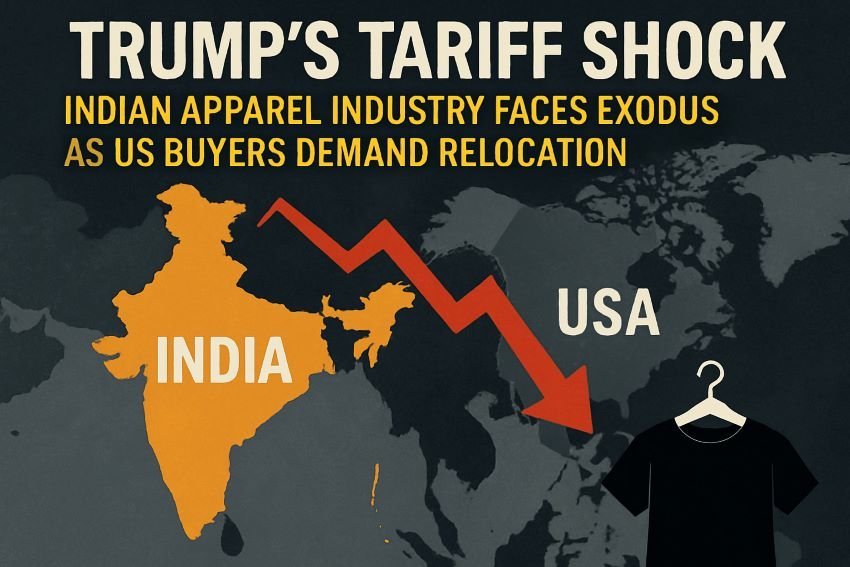
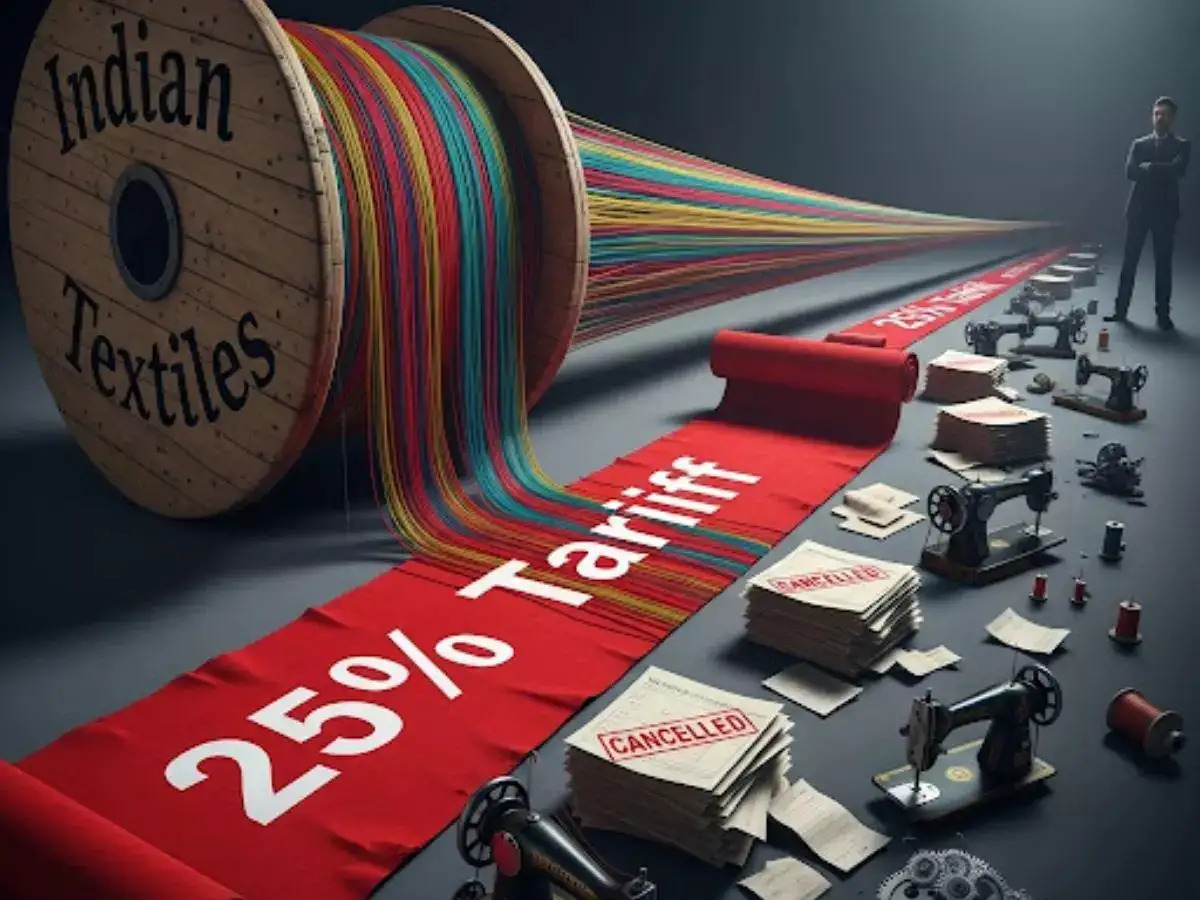
India’s pivotal textile and apparel sector stands at a critical crossroad. While the landmark GST reforms will yield long-term structural gains, the immediate external risk in the form of the 50% US tariff on Indian goods remains a critical area of concern.

Such is the view expressed by EY India Partner – Indirect Tax & Incentives, Shri Prashant Raizada. Raizada was addressing a webinar on GST 2.0 & US tariff and their twin impact on the Indian textile and apparel sector jointly organized by the Confederation of Indian Textile Industry (CITI) and EY India on September 26. To help the textile and apparel sector, the GST changes announced on September 3 have eliminated duty inversion to ease cash flow and working capital.

India’s pivotal textile and apparel sector stands at a critical crossroad. While the landmark GST reforms will yield long-term structural gains, the immediate external risk in the form of the 50% US tariff on Indian goods remains a critical area of concern.

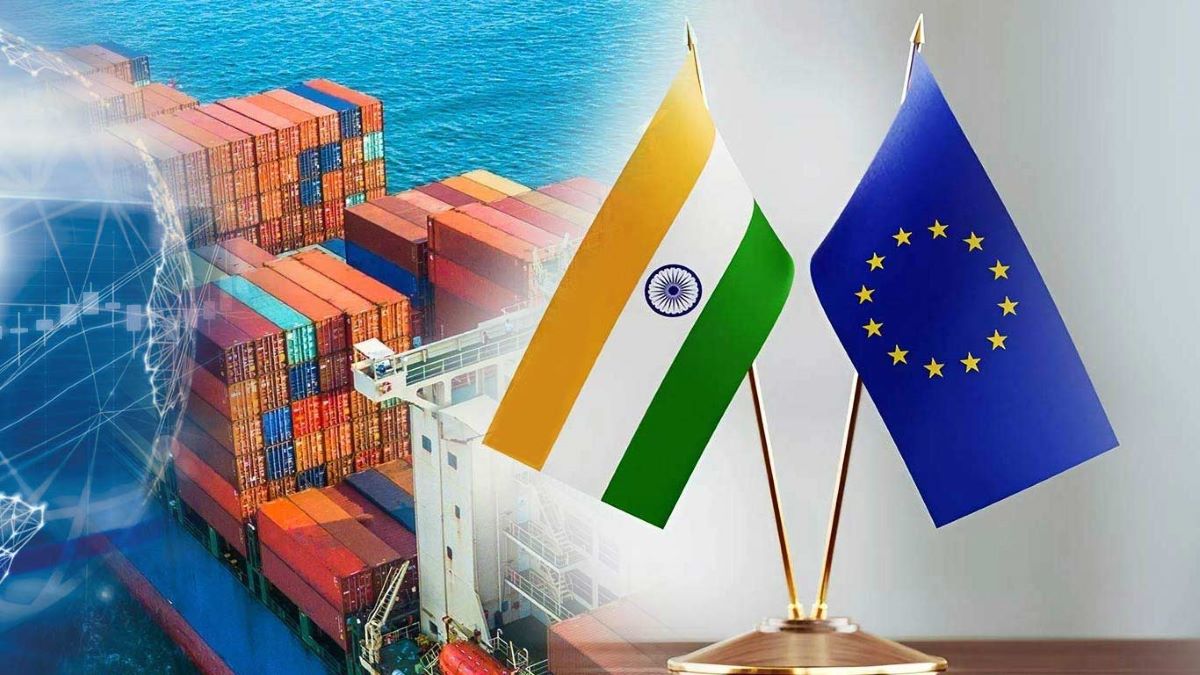
India–EFTA TEPA: A Transformative Step for the Indian Apparel and Textile Industry

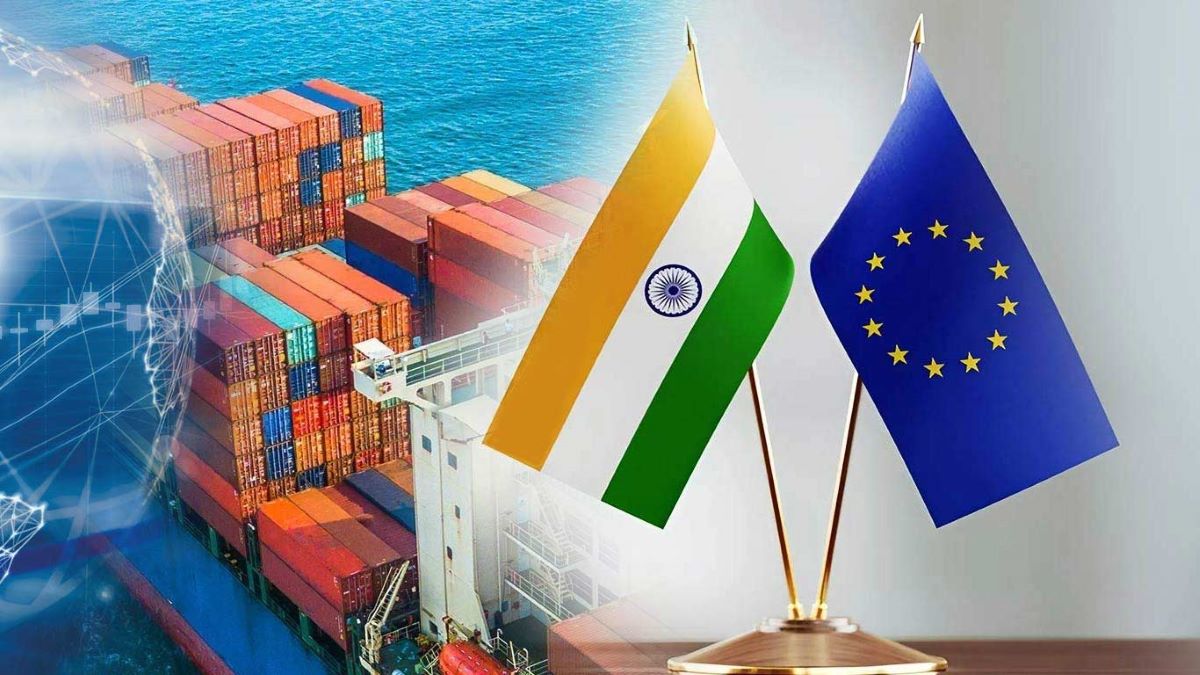
CTA Apparels applauds the launch of the India–EFTA Trade and Economic Partnership Agreement (TEPA), which will come into force on October 1, 2025. As India’s first trade agreement with a European bloc, this milestone represents a significant advancement in deepening economic integration with Europe.
The agreement provides for substantial tariff reductions, duty-free access on 99% of goods, and a commitment of $100 billion in investments from EFTA nations over the next 15 years. This is expected to generate 1 million direct jobs in India, setting a new benchmark by linking market access with long-term investment.

Follow Us

Subscribe Our Newsletter
Amazing Deals, Updates & Freebies In Your Inbox
Please fill the required field.

People's Poll

War on Trade: India's RMG in Peril

People's Poll -2

How sustainability is driving India's textile industry

Social & newsletter

Search