Sentiments continue to be on edge
Situation is much worse than what meets the eye; Geopolitics Meets Global Trade Risk
An in-depth look at how Middle East instability is reshaping India’s export landscape
Everyday is a new day in this disruptive world; Disruption triggered on the back of heightened global geopolitics and tech-led unprecedented disruption we have not seen in our life times. In the tightly scheduled/globalized village world of fashion and textile exports, timely delivery, predictable payments, and secure logistics are as important as design and quality.
Peak of fear
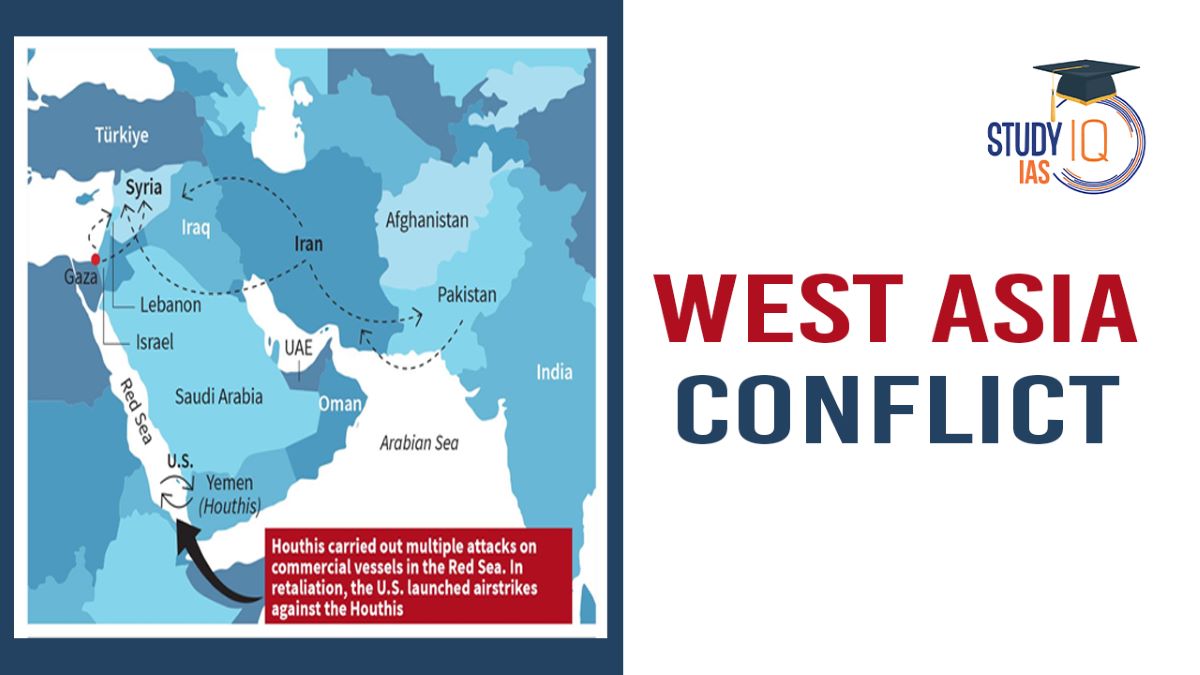
But as conflicts escalate given that kinetic response in the US-Iran conflict unfolding in West Asia, particularly around Iran, India’s apparel exporters are confronting never before kind of convergence of geopolitical risk and trade disruption too much happening all at once that’s keeping the industry on edge/edgy global economy.
Strait of Hormuz Disruptions: Choke point
Shipping Costs & Delays Skyrocket: Escort ships may be the the guardrails of safe logistics here and now
Very quickly couple of things; A large share of India’s garment and textile shipments bound for Europe and the United States pass through maritime routes near the Strait of Hormuz — one of the world’s most crucial trade chokepoints. Recent hostilities in the region have raised real concerns over the closure or restricted use of these routes leading to looming uncertainty (though general perception is this chokepoint is going to be closed as long as heightened conflict sustains).
Industry executives warn that if vessels are forced to reroute around Africa’s Cape of Good Hope, transit times could increase by 20–25 days and freight costs could surge sharply — putting delivery timelines and seasonal collections at risk is imminent.
Rangebound; For fashion businesses operating on tight seasonal calendars given inherent nature of the sector (where a missed shipment can mean an out-of-season product hitting the market), even a few days’ delay can translate into discounts, reduced margins, and lost orders.
Iran Trade Exposure: Payments & Insurance Headaches amid oil shock
Iran remains a key import market for several other Indian commodities, but textile and apparel trade (T&A) is also affected indirectly through broader bilateral commerce links. Ongoing conflict has led to:
Stalled payments for goods exported via Iranian routes.
Lack of marine insurance coverage for shipments to or through conflict zones when risk premium is the striking point.
Currency and banking bottlenecks as international financial institutions tread carefully around sanctioned markets.
Supply shock/ Currency volatility; These financial risks compound operational challenges. Exporters are now prioritizing safer payment terms and cautious contracting to protect cash flow although in insurance parlance there are checks and balances which will kicking in this evolving dynamic situation.
Export Value Chains Under Pressure; Some analysts say shade worse
We have to put a caveat here that, Although textiles and apparel (T&C) do not form the largest portion of India’s Iran trade, the indirect effects ripple across the supply chain are incredibly evident. Exporters dependent on Middle Eastern markets — whether directly or through trans-shipment hubs — are seeing:
Shooting logistics costs
Hesitation from buyers hesitant to issue open credit
Higher risk premiums on freight and insurance quotes
Cumulative effect; The thesis here is, All of these factors combine to push up landed costs, make Indian offerings less competitive, and introduce uncertainty into long-term planning.
A Wider Web of Risks: Seasonal & Global Impacts
The caveat is if the conflict were to persist
It’s not just Iran: disruptions in West Asia affect the broader global trading ecosystem for Indian exporters. When primary shipping lanes are threatened, or payments are delayed, fashion brands in Europe and America may scale back orders or demand price concessions. For Indian textile exporters, who often operate with tight margins (given the ferocity of the competition on hand) and lean inventory cycles, this only amplifies commercial stress.
How durable is it, What Comes Next? Strategy & Resilience
Industry leaders are now calling for:
Calling out; Greater government support in trade financing and insurance backstops is paramount because this is no less than a crisis scenario (War times).
Diversification of markets to reduce dependence on conflict-affected routes as far possible.
Scenarios are been built; Advanced risk modelling in supply chain planning.
In short, Here and now; The Volatility Index (VIX Index) is extraordinary high given conflict is not showing early signs of easing out.
In an era where trade is as much about international relations as it is about design and manufacturing, Indian apparel exporters are rapidly adapting — but not without incurring real operational stress (Historically speaking; Force majeure also may have a role to play here). Situation is too fluid so your estimate is as good good as ours! Though we have to state here that the downwards pressure on INR can be a fundamental tailwind to India's textile exports.
Textile is better than what it was earlier (given FTAs evolving landscape) but not without upward risk with recent developments such as recent Bangladesh US trade deal and withdrawal of few subsidies/sops by the Indian govt in their own wisdom.
World is a fluid place; depending on the length of this conflict.
The prognosis is that, There is complete unanimity amongst global economists that, global economy is posed with downward heavy risk out of fast evolving geopolitics!
⸻
Credits: This article is an automated generated piece of information by the Internet. This content has been “edited in parts” by us.


 CONTACT US
