Apparel Export Performance Reflects Resilience Amid Global Challenges; Policy Support for MSMEs Key to Future Growth: AEPC Chairman.
AEPC Chairman: Apparel Exports Show Resilience Despite Global Headwinds, MSME Policy Support Crucial
The Apparel Export Promotion Council (AEPC) today highlighted the performance of India’s Ready-Made Garment (RMG) exports, reflecting both the resilience of the sector and the challenges arising from global market volatility.
Commenting on the latest export figures, Dr. A. Sakthivel, Chairman, AEPC, stated that RMG exports for the month of January 2026 recorded a decline of 3.8% compared to January 2025.
However, exports showed a positive growth of 7.2% when compared with January 2024, indicating underlying strength and recovery momentum in the industry despite persistent global headwinds.
On a cumulative basis, RMG exports during April–January 2025-26 stood at USD 13,129.1 million, registering a growth of 1.6% over the corresponding period of April–January 2024-25 and a significant growth of 13.3% compared to April–January 2023-24. Dr. Sakthivel noted that these numbers demonstrate the resilience of Indian apparel exporters, who continue to navigate challenging international conditions.
He observed that the temporary decline in January exports can largely be attributed to high US tariff pressures and ongoing global volatility, which have disrupted order flows and created uncertainty across key markets. Just to retain customers, many of RMG exporters attempted to absorb part of the cost pressures by offering discounts up to even 20%. However, with tariff levels rising to nearly 50%, the price disadvantage became too significant, resulting in a loss of orders to competing sourcing destinations.
Dr. Sakthivel noted that India has now signed Free Trade Agreements (FTAs) with 37 countries, creating unprecedented market access for the textile and apparel sector. He emphasised that the coming decade presents a strategic window for India to leverage its inherent strengths — including a strong manufacturing base, skilled workforce, and integrated value chain — to accelerate export growth and expand its global market share.
Highlighting key concerns faced by apparel exporters, particularly Micro, Small and Medium Enterprises (MSMEs), Dr. Sakthivel emphasised that many exporters continue to face operational and regulatory challenges, especially in their interactions with banks, export finance systems, and compliance frameworks. He underscored that MSMEs form the backbone of the apparel sector and require targeted policy support to enhance competitiveness and sustain growth.
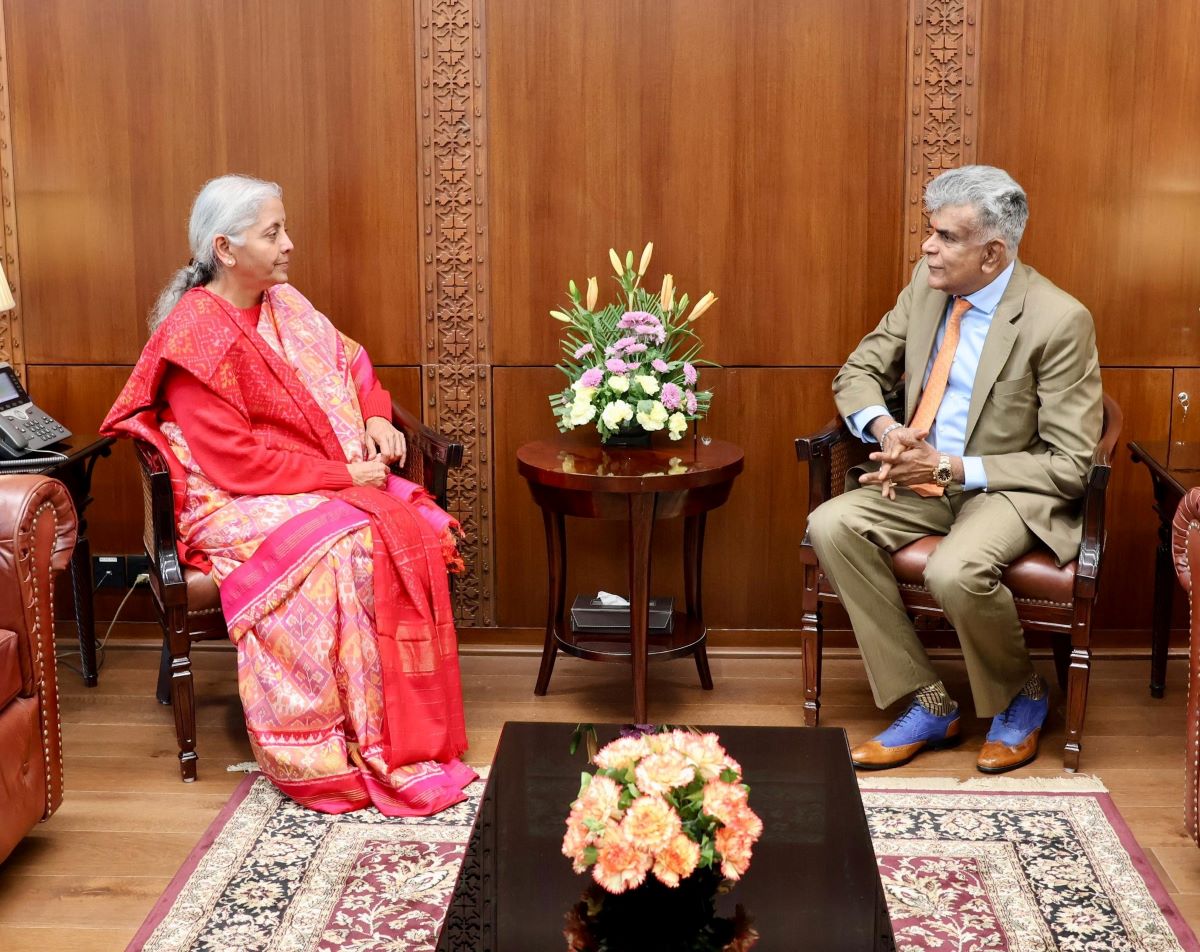
Yesterday, AEPC Chairman met the Reserve Bank of India (RBI) Governor and advocated for a dedicated export policy tailored specifically for the MSME sector. He proposed introducing a Special Interest Package Scheme aimed at improving access to affordable finance and strengthening the growth trajectory of smaller exporters.
To address export finance constraints, Dr. Sakthivel requested an increase in the Interest Equalisation Scheme from the existing 2.75% to 5% for manufacturing exporters. He also urged the RBI to consider removing the current cap of ₹50 lakh and to enhance eligibility limits under the scheme through a graded structure linked to turnover and export performance.
“The Indian apparel industry remains fundamentally strong and adaptable. With the right policy support, especially for MSMEs, and by leveraging new trade agreements, the sector is well-positioned to achieve sustainable and inclusive growth,” he added.
CREDITS: PR from official AEPC India id. The content has not been edited and reviewed by us.


 CONTACT US
