









Persistence and patience is the key
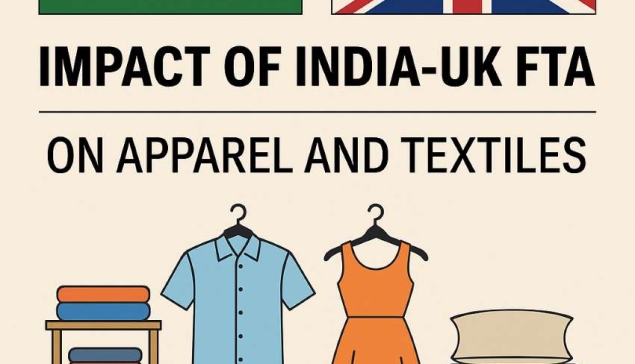
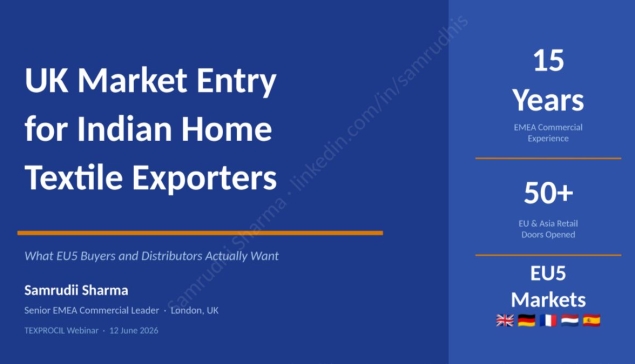
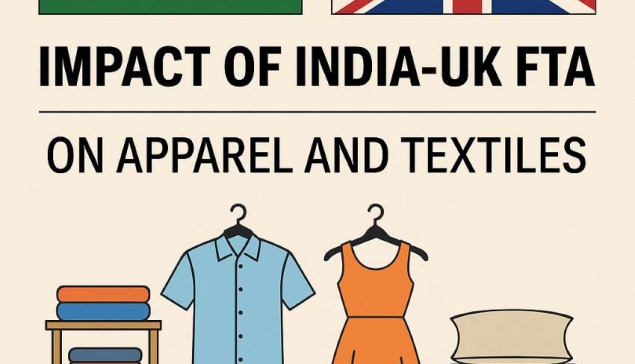
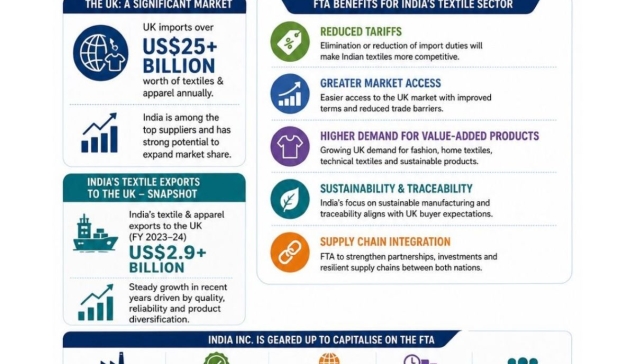
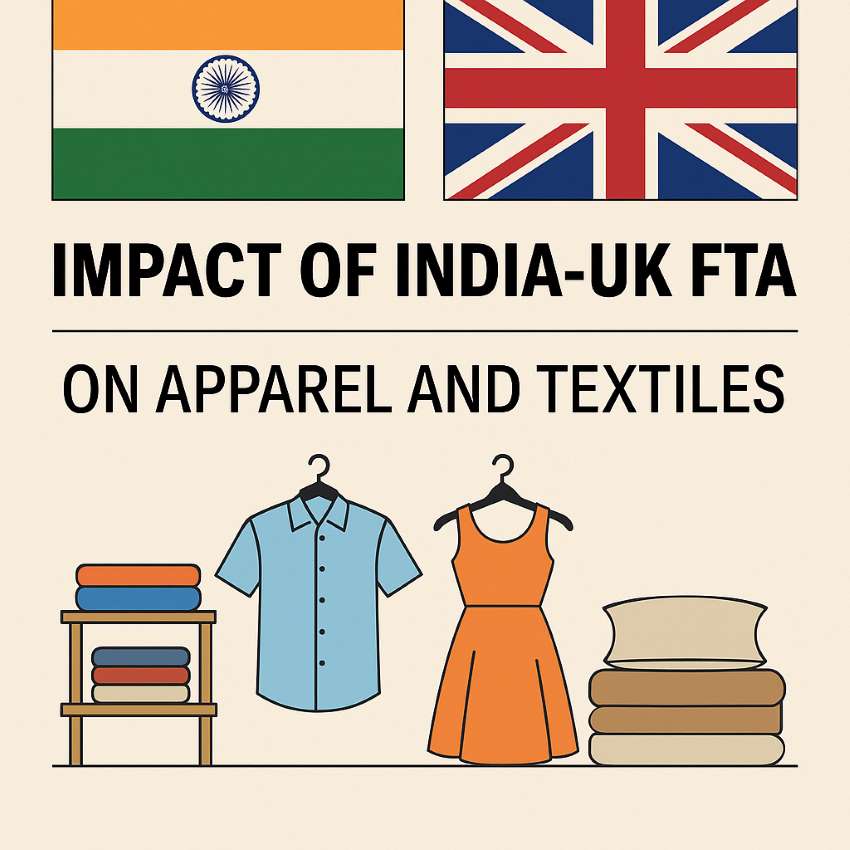
India’s textile industry is entering a transformative phase with the India–UK FTA expected to provide zero‑duty access to a US$28 billion market. Companies with existing capacities, such as World Mobil and Urban, are now poised to channel production toward the UK, turning negligible exposure into substantial market presence.
The removal of import duties creates a level playing field with competitors like Bangladesh and Vietnam. While India previously faced disadvantages in raw material access and higher labour costs, the new tariff structure neutralizes these gaps. Bangladesh, meanwhile, is grappling with power shortages, further strengthening India’s competitive edge.
Beyond the UK, India is regaining ground in the US market, where punitive tariffs had eroded share. With duties now aligned, cyclical recovery is expected. Coupled with the upcoming India–EU FTA, which could double exports to a US$260 billion market within five to seven years, the sector is positioned for sustained growth.
Gratifying
Raw material volatility, particularly cotton, remains a challenge. Yet, the government’s removal of import restrictions has aligned domestic prices with global benchmarks, eliminating a key disadvantage. Analysts believe this convergence of factors marks an inflection point for textiles, with improved margins and stronger revenues on the horizon.
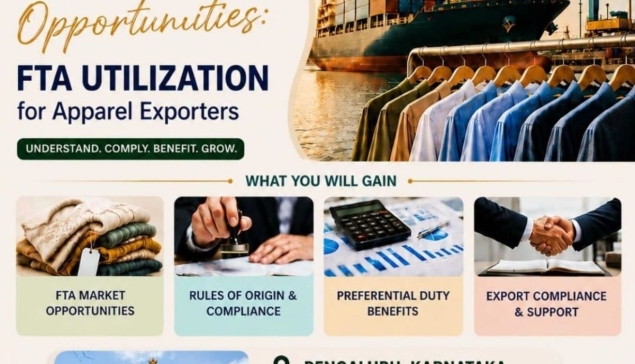
On the corporate front, Urban Mills stands out with its acquisition in technical textiles, a segment growing at 18–20% annually. This expansion, coupled with garmenting opportunities in FTA‑enabled markets, positions it as a strong performer. Home textile leaders like Indo Count, KPR, and SP Apparel are also well placed to leverage preferential duty benefits in the UK and EU.
The message is clear: with FTAs, compliance readiness, and strategic capacity deployment, India’s textile exporters are set to reclaim global leadership. CITATION: CNBCTV18 today sector report.


 CONTACT US
