







Incoterms in International Trade: Why Delivery Terms and Risk Transfer Matter
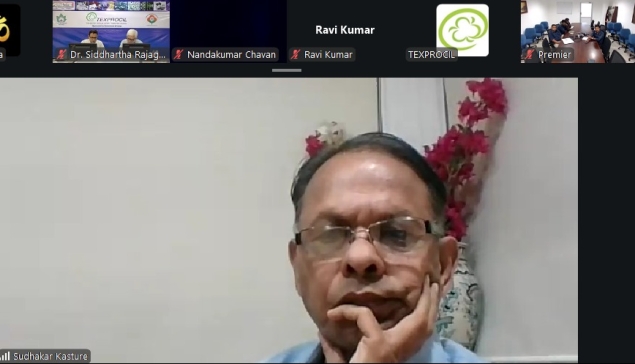
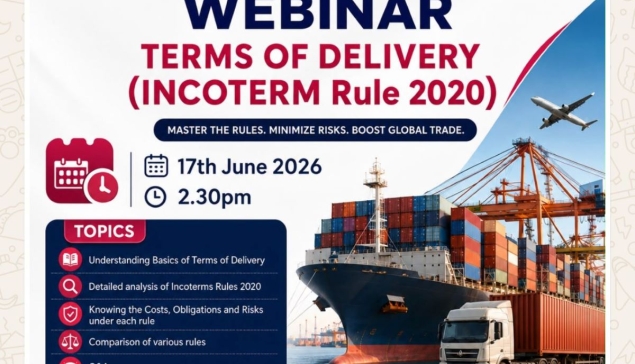
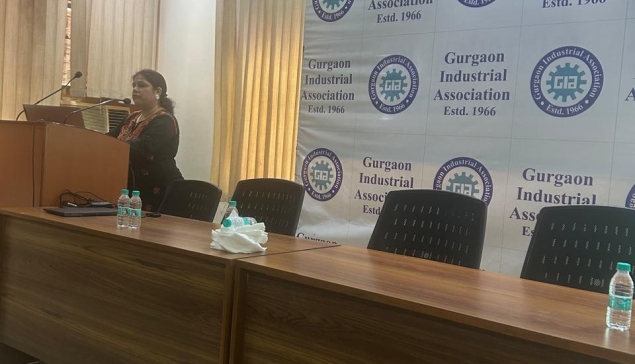
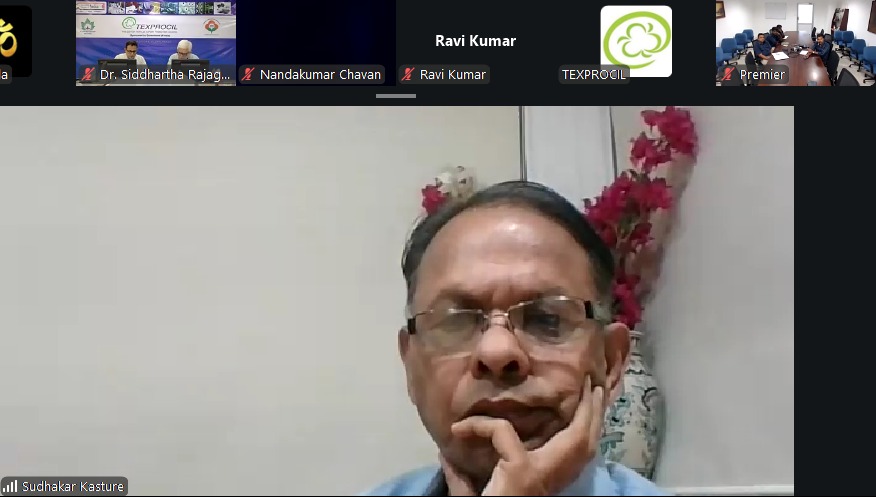
Expert Sudhakar Kasture highlights the following key components of why delivery terms and risk transfer matter.
The session explained that Incoterms, issued under the United Nations Commission on International Trade Law, have global acceptance in international trade. It also noted that Incoterms were revised over time, including 1990, 2000, 2010, and 2020, and stressed that contracts should clearly mention which version is being used because legal interpretation depends on it.
A key point of the discussion was the difference between terms of delivery and terms of payment. The speaker explained that sellers focus on receiving payment on time, while buyers want the goods delivered as agreed, along with related services such as transport, insurance, loading, unloading, and customs clearance. Since goods move physically rather than electronically, these responsibilities and risks must be clearly defined.
The explanation highlighted that import-export transactions involve many cost points, including port clearance, shipping, insurance, warehousing, and inland transport. It also emphasized that risk transfer and cost transfer are not the same thing, and both must be understood carefully in a contract. The speaker used practical examples, including home delivery of pizza, to show how delivery responsibility expands when the seller must ensure the product reaches the buyer safely and on time.
The session also covered the main Incoterms 2010 categories. It explained terms such as EXW, FCA, CPT, CIP, DAP, and DDP for any mode of transport, and FAS, FOB, CFR, and CIF for sea and inland waterway transport. It noted that some older terms such as DAF, DES, DEQ, and DDU were removed in later revisions because they created complications in practical use. The speaker further explained that FOB places responsibility on the buyer once goods are loaded on board at the named port of shipment, while CIF requires the seller to cover cost, insurance, and freight up to the named port of destination.
CREDITS: Covered by Salil Chawla, Director, DFU Publications, while attending this live webinar.


 CONTACT US
