







_large.jpg)


Compiled by Salil Chawla, Director, DFU Publications
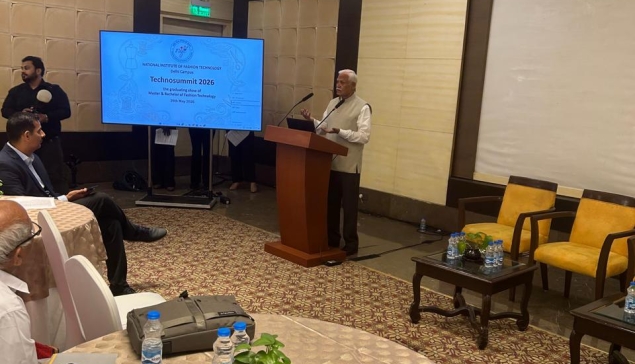
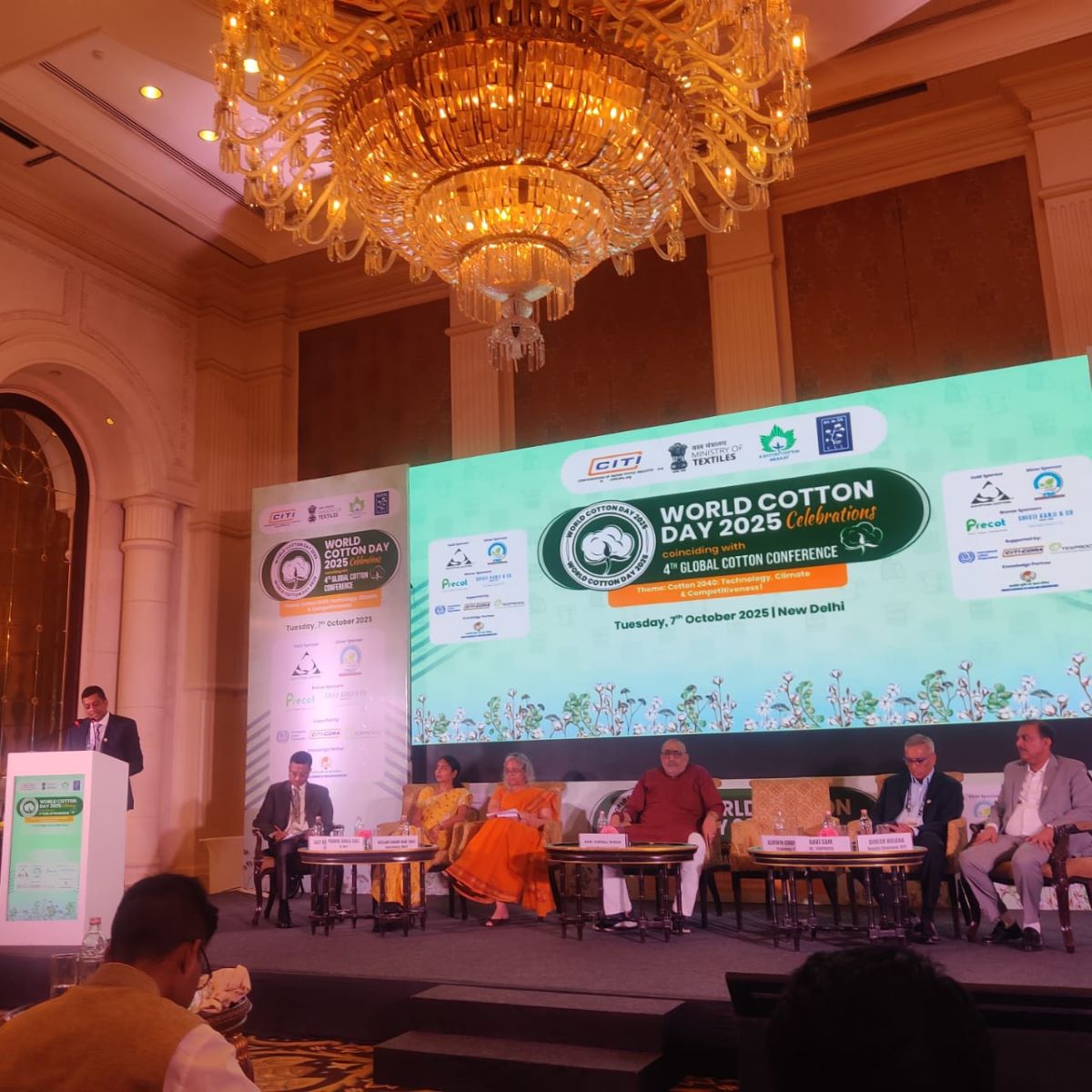
Delivering the keynote address at the 4th Global Cotton Conference held yesterday in New Delhi, Ashwin Chandra, CITI chairman, conveyed a powerful message on the future of India’s cotton sector, coinciding with the celebration of World Cotton Day.
We gather here today not merely to celebrate a fibre, but to honour a legacy — one that has shaped the global textile industry and continues to sustain the livelihoods of millions across the world.
At the outset, I extend my heartfelt gratitude to the Hon’ble Union Minister of Textiles, Giriraj Singh Ji, for gracing this occasion with his distinguished presence. Sir, your continued leadership and vision have been pivotal in guiding India’s textile sector toward greater self-reliance, productivity, and sustainability.
I also extend a warm welcome to our respected Secretary, Ms. Neelam Shami Rao, Joint Secretary, Ms. Padmini Singla, and CMD of CCI, Lalit Kumar Gupta.
Their presence today reflects the shared commitment of all stakeholders to the growth and excellence of India’s cotton ecosystem.
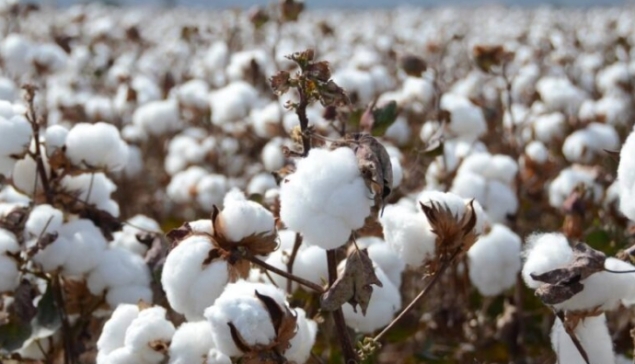
As our Joint Secretary rightly noted, cotton is far more than a crop. It is a symbol of resilience, sustainability, and tradition — deeply interwoven with the fabric of human civilization. Cultivated by over 35 million farmers globally, half of them women, this natural fibre supports more than 100 million families worldwide.
India’s relationship with cotton is both historic and profound. With the largest acreage under cultivation and ranking as the second-largest producer globally, cotton sustains over 6 million Indian farmers and provides livelihoods to nearly 50 million people in allied sectors.
This year’s theme — “Cotton 2040: Technology, Climate, and Competitiveness” — aptly reflects the evolving landscape of this vital sector. Throughout today’s sessions, experts, policymakers, and industry leaders have deliberated on how technology, climate action, and trade reforms are redefining the cotton and textile value chain.
Read our latest issue
India, with its strong agricultural base, skilled workforce, and modernising industry, is uniquely positioned to lead this transformation. The Government’s recently announced Five-Year Mission on Cotton Productivity stands as a testament to its commitment to enhancing yields, improving fibre quality, and strengthening the entire cotton value chain through technological, institutional, and policy interventions.
To move forward, India’s cotton sector must now focus on quality over quantity — emphasizing higher productivity, fibre uniformity, contamination control, and long-term sustainability.
Achieving this will require deeper collaboration among government agencies, industry bodies, global partners, NGOs, and local communities.
I am proud to highlight the work of CITI’s Cotton Development and Research Association (CITI-CDRA), which since 1970 has been at the forefront of improving yield and quality through better agronomic practices.
With a network of over 35,000 farmers across Maharashtra, Rajasthan, and Madhya Pradesh, CTCDI continues to build capacity and awareness on sustainable cotton cultivation.
In partnership with the International Labour Organization (ILO), CTCDI is also advancing awareness on workers’ rights, occupational safety, and social protection — especially for small and marginal farmers.
It proudly serves as the largest implementing partner in the joint pilot project of the Ministry of Textiles and Ministry of Agriculture to boost cotton productivity and GDP contribution.
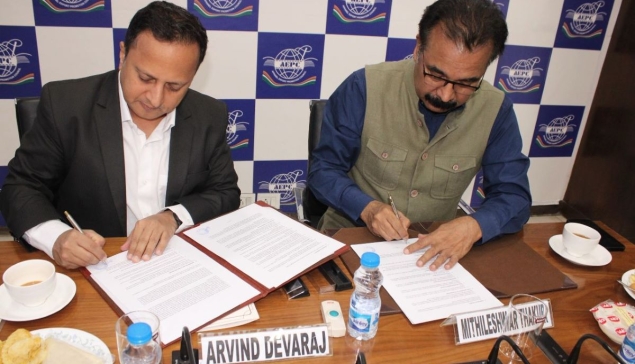
The industry also greatly welcomes initiatives such as Kasturi Cotton Bharat, which embodies India’s commitment to purity, quality, and traceability. On this occasion, Texprocil, along with industry partners, will formalize MoUs under this initiative — reinforcing our shared vision for a transparent and sustainable cotton value chain.
Follow us on Linkedin & Youtube.
As we celebrate World Cotton Day, let us reaffirm our collective resolve to make India’s cotton sector a global benchmark for innovation, sustainability, and inclusiveness. Together, we can ensure that cotton remains not just a source of livelihood, but a powerful force for positive change — from farm to fashion, and from India to the world.
In conclusion, I once again extend my deepest gratitude to Hon’ble Minister Giriraj Singh Ji and to all present here today for their unwavering support and commitment to India’s cotton future.


 CONTACT US
