






_large.jpg)


Compiled by Salil Chawla, Director, DFU Publications
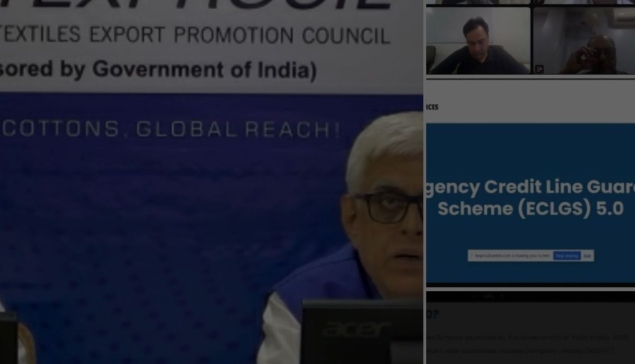
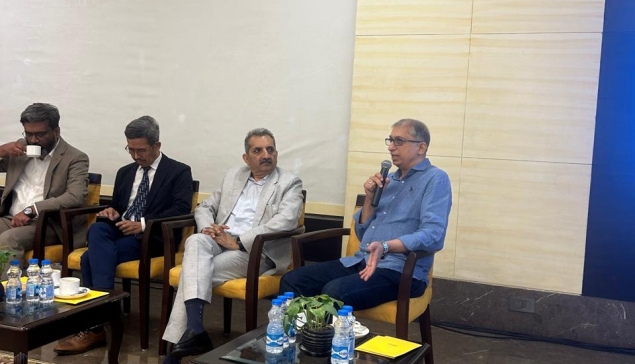
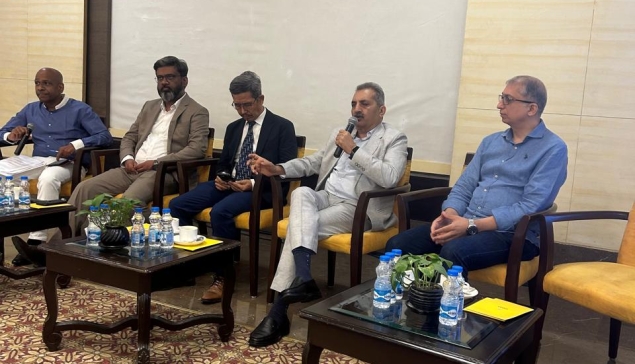
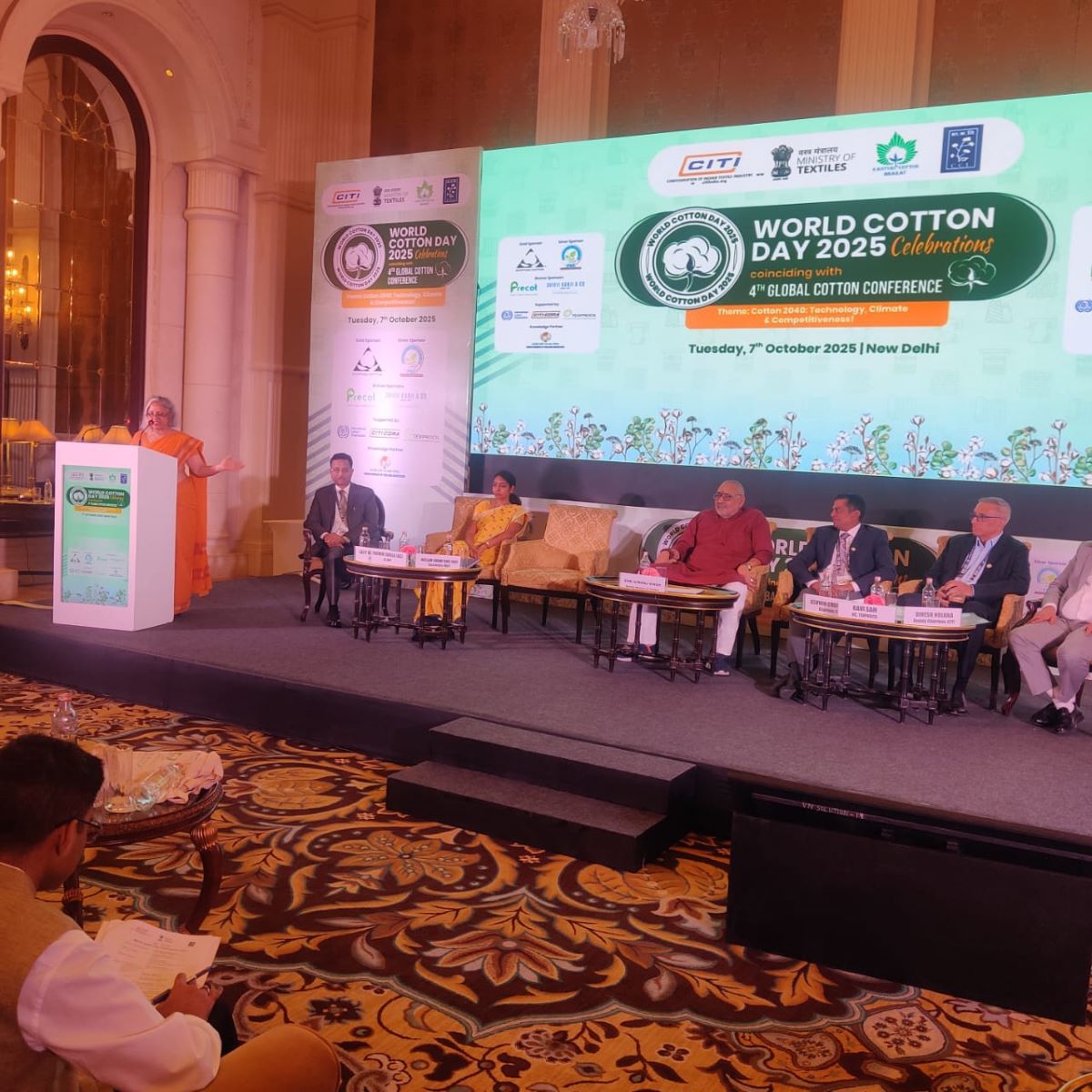
Delivering the keynote address at the 4th Global Cotton Conference held yesterday in New Delhi, Smt. Neelam Shami Rao-Secretary, Ministry of Textiles, Govt. of India, conveyed a powerful message on the future of India’s cotton sector, coinciding with the celebration of World Cotton Day.
At the outset, I extend my heartfelt congratulations to everyone on the occasion of the 4th World Cotton Day. Four years ago, when the UN resolution on World Cotton Day was adopted, it was envisioned to integrate the right to livelihood with sustainability and innovation—ensuring that the fibre of life continues to thrive.
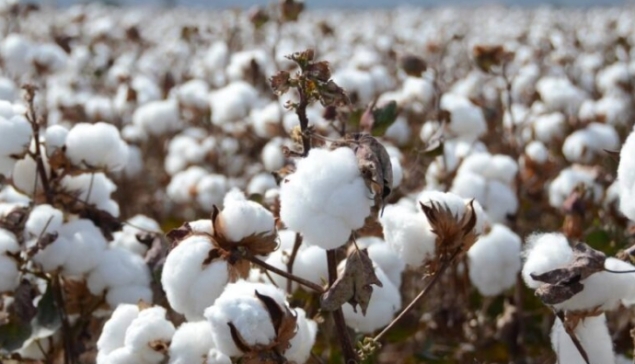
Cotton is truly a living fibre—it breathes, it has strength, absorbency, and soul. Known as kapas in Sanskrit, its beauty and versatility have shaped India’s heritage for centuries. From muslins and calicos to fine sheikhs, Indian cotton textiles once ruled global markets, defining elegance and craftsmanship that transcended borders.
Today, India proudly contributes nearly one-fifth of the world’s cotton, making us a reliable producer and a key global supplier. Our indigenous varieties, from inbred seeds to extra-long staples, continue to uphold the legacy of excellence.
However, the time has come to reflect—what more can we do for cotton? Recent dialogues, including those with partners in the UK, highlight growing interest in customary cotton—sustainably produced, traceable, and ethically sourced.
The key question remains: are consumers ready to pay a premium for it? Encouragingly, demand from large international retailers shows clear momentum.
This calls for stronger collaboration among ministries, industry bodies, and textile associations to further enhance quality, traceability, and credibility. Traceability ensures that every bale aligns with sustainability norms, legal compliance, and quality benchmarks—vital for global trust in Indian cotton.
Our vision is to build on the momentum through the Cotton Productivity Commission, designed to strengthen both yield and quality. It unites the efforts of farmers (Kisan), fibre (Kapas), and industry (Karkhana)—the three essential ‘K’s’ of cotton prosperity.
Initiatives like high-density plantation, improved farming practices, and advanced ginning are already showing results in enhancing farmer income. We must also focus on providing better tools, machinery, and financial support to our growers.
India currently produces 20% of the world’s cotton. Our goal is to raise output from 5.5 to 7.5 million metric tons in the next five years while reducing contamination below 2.5%. We also aim to scale Kasturi Cotton from 1 lakh to 10 lakh bales, positioning it as the global identity of premium Indian cotton.
Projects like CITI-CDRA must now expand beyond 10,000 farmers to more districts, strengthening our supply base and impact. As we align these efforts, the Cotton Corporation’s reforms—ensuring transparent procurement and timely payments—further empower farmers and reinforce trust.
Cotton remains at the heart of India’s fibre economy. Together, we must continue nurturing its excellence, increasing productivity, and promoting its uniqueness worldwide.
Let us celebrate the timeless beauty of cotton, and proudly establish Indian Customary Cotton as a global standard of sustainability, purity, and craftsmanship.
Congratulations once again on World Cotton Day!


 CONTACT US
