TIT&S

Nonwoven Fabrics and Face Masks: A Growing Opportunity in Technical Textiles

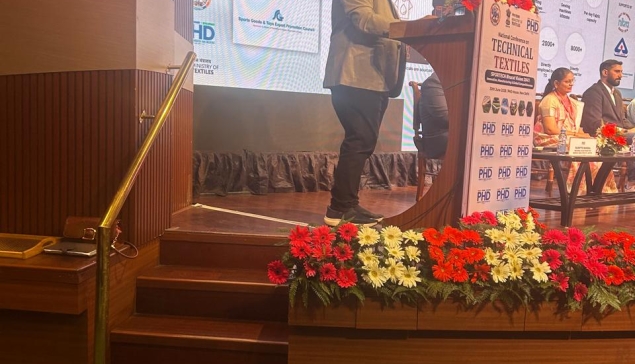
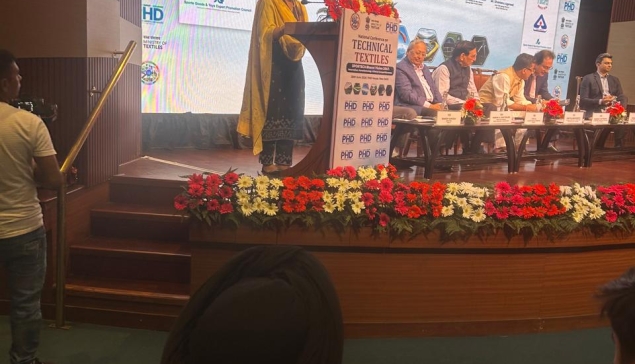
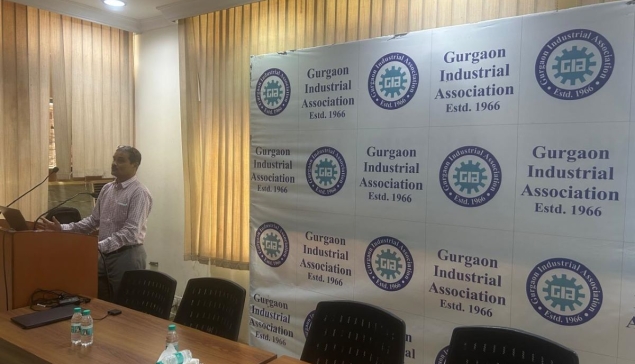
Dr Ajit Pattanayak - Assistant Professor at TIT&S Bhiwani addressing TODAY in  “Technical Textiles Awareness Program” Organized by The Technological Institute of Textile & Sciences Bhiwani-Under the Aegis of ‘Directorate of Micro, Small and Medium Enterprises, Government of Haryana’ held in Gurgaon elaborating on the Technical Textiles dived into this stream of Textile sector stated that," The COVID-19 pandemic brought unprecedented attention to face masks and personal protective equipment (PPE), highlighting the critical role of nonwoven textiles in public health and safety. While masks were traditionally associated with medical professionals, they became an essential part of daily life for billions of people worldwide, creating significant demand for advanced filtration materials and technical textile products".

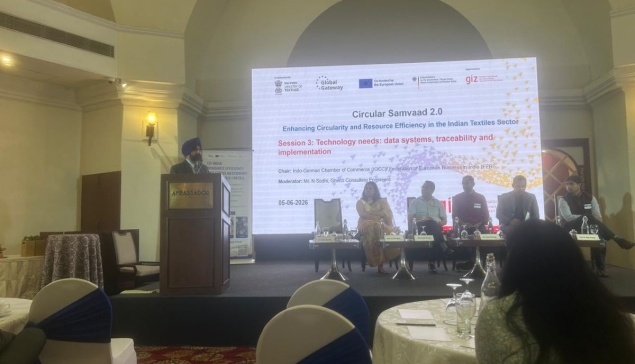
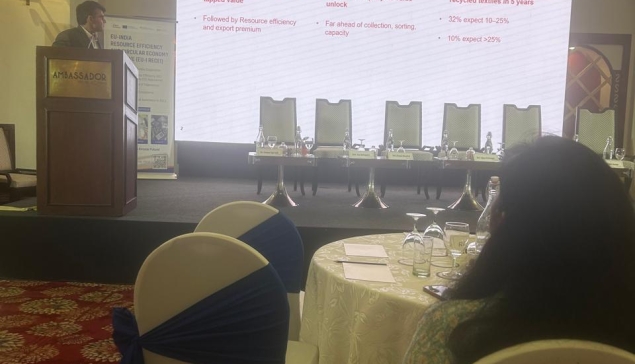
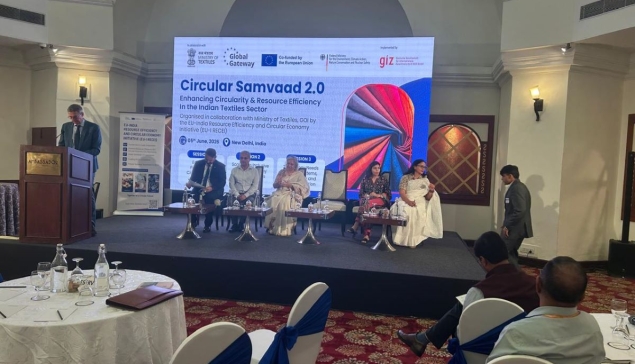
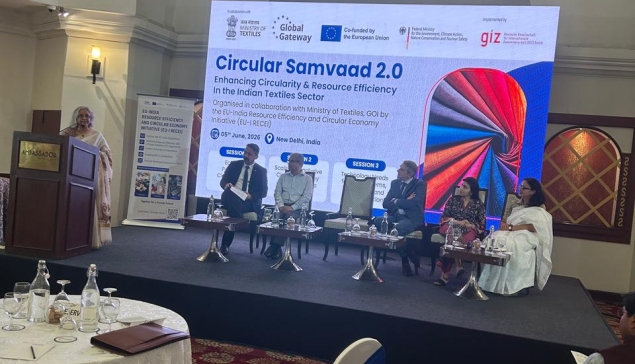
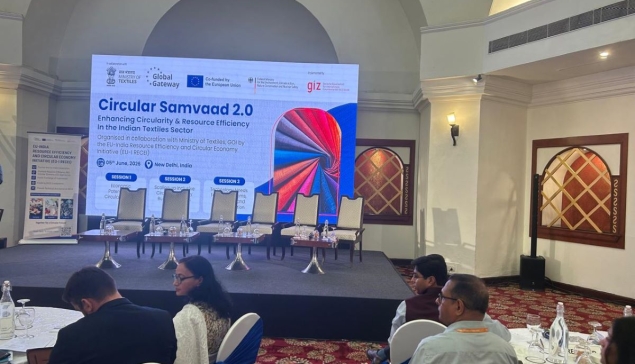
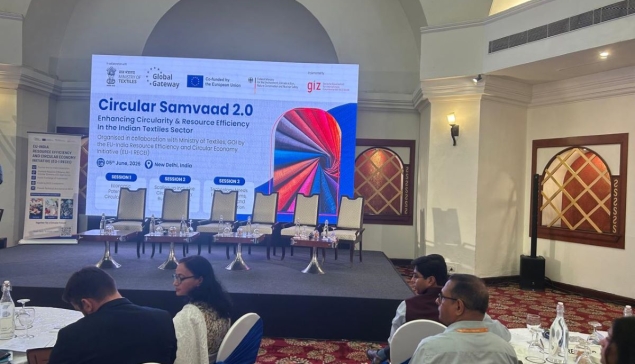
CircularitySamvaad2.0

EU-India: Resource efficiency and circular economy initiative (EU I RECEI)

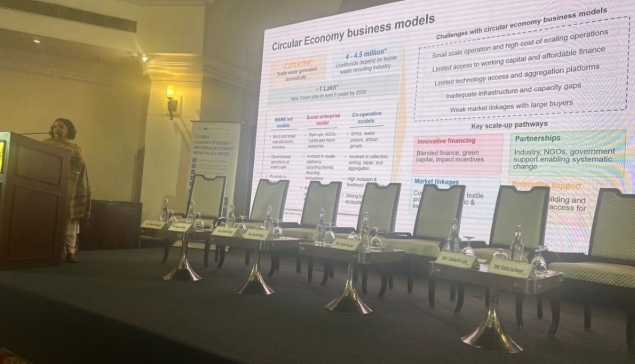
Scaling up inclusive circular economy business models
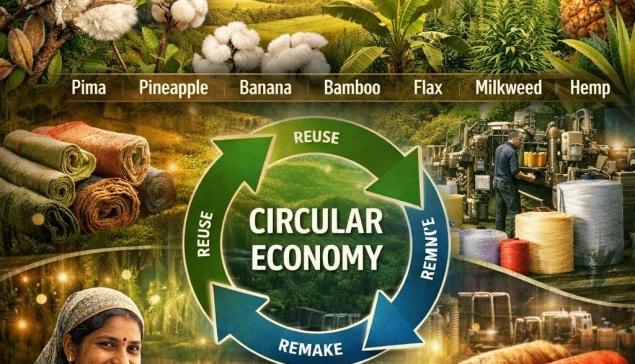
Natural Fibers Driving Circular Innovation
It is of important value because we believe nature offers solutions that central systems cannot replicate. In this program, we have begun interventions for alternate natural bodies, picking up ten beautiful fibers from across the world: Pima, Pineapple, Banana, Bamboo, Bramble, Flax, Milkweed, Hemp, and more.

These fibers are not only sustainable but also high‑performance — Milkweed, for instance, has exceptional thermal flow, warmer than synthetic fillings, and at times even better than down. Hemp and other fibers promise significant resources, strengthening our material base.

CircularitySamvaad2.0

Excerpts from the Address by Dr. Reva Prakash, giz India, at Circularity Samvaad 2.0 – World Environment Day last week.

Forward Models and Sustainable Collaboration
We stand at a point where collaboration and innovation must go hand in hand. The goal is not just to work together today, but to build partnerships that last for many years to come. Across industries, we see diverse models — each with its own patterns, cycles, and manufacturing approaches. These models, whether small‑scale or cluster‑based, form the backbone of our industrial ecosystem.

Models and Manufacturing.

TAISustainableTextiles

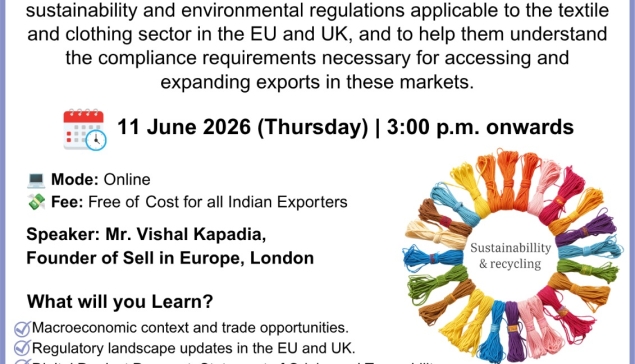
Webinar on “Cradle to Cradle ® - Paving a way to Sustainable Textiles”

The Textile Association (India), Mumbai Unit in association with BluWin a leading auditing and certification firm based in the UK is organising a live Webinar on Thursday, 11th June 2026. The theme of the Webinar is “Cradle to Cradle ® - Paving a way to Sustainable Textiles”. The timing of the webinar will be 04.00 pm to 05.30 pm. The question & answer session will be for 15 minutes. 

Ms. Nienke Steen, Director Consumer Products and Textiles of Cradle to Cradle ® Product Innovation Institute will be the Expert Speaker for this webinar. She will talk on.
Certification overview l Benefits for marketing and sales
Buyer confidence and product differentiation l Cost-saving opportunities through circular design and resource efficiency l Practical steps to get started.

CircularitySamvaad2.0

“From Spinning Jenny to Chemical Recycling — Industry’s Next Moment of Truth.”

Excerpts from Navdeep Singh Sodhi — International Strategic Management Consultant for the Textile & Clothing Industry, Gherzi Textil Organisation — delivered at Circularity Samvaad 2.0 on World Environment Day.

His address offered inspirational and actionable insights, underscoring the urgent need for creative destruction in textiles. 
Drawing parallels from the historic spinning jenny; The textile industry stands at the cusp of another transformation today than ever before, just as James R. Williams’ invention of the spinning jenny in 1764 sparked the industrial revolution, today chemical recycling and digitalization are redefining sustainability and growth.

CircularitySamvaad2.0

Circularity Samvaad 2.0: Synthesis of Discussion

The discussion begins with reflections on how government messaging reaches people. Many citizens may not be deeply engaged with policy issues, yet they still benefit from access to certain programs and opportunities. The speaker emphasizes that while new issues can be raised, pushing them forward is complex and requires design capabilities that are difficult to sustain. Long‑term outcomes must be kept in mind, and solutions often involve working backwards from the edges of problems to find practical approaches.

The conversation shifts to questions from participants. One asks about what to look for “on the road”—a metaphor for navigating institutions, funding, and training opportunities. The speaker responds that security, clarity, and institutional support are key. Government funding mechanisms and collective governance structures are highlighted as important enablers.

CircularitySamvaad2.0

EU-India: Resource efficiency and circular economy initiative (EU I RECEI)

Emerging Regulations Reshaping the Textile Sector

Excerpts from Franck Viault, Minister Counsellor, Head of cooperation, EU delegation to India at Circularity Samvaad 2.0 yesterday on World Environmental Day’.

The global textile and apparel industry is witnessing a rapid evolution in regulatory requirements, particularly in the areas of sustainability, traceability, product design, and waste management. Regulatory frameworks are increasingly emphasizing the need for responsible production practices, circularity, and transparency across the value chain.

CircularSamvaad2.0

We Must Address Textile Waste – and We Must Act Now” – Textile Secretary at Circularity Samvaad 2.0

Excerpts from the Address by Ms. Neelam Shami Rao, Textile Secretary, Ministry of Textiles, Government of India, at Circularity Samvaad 2.0 – World Environment Day

The study I referred to earlier touched upon a reality that remains on the margins of most children’s lived experience. Yet, it is a reality we cannot ignore. We must – and I say this with full emphasis – address the challenge of textile waste. And we must act now.

What once seemed like a minor issue has grown phenomenally. This growth has been further documented through the dedicated work of our teams, who have carefully built upon security data from that very study, layer by layer. Our goal is to take this understanding and spread it across the world.

Textile-to-Textile Recycling Is Imminent, Says Respun Founder

In conversation with Salil Chawla, Director DFU Publications, Archish Kansal MD of Kay Gee Enterprises spoke on the sidelines of the Circularity Sanvaad 2.0 conference about textile-to-textile recycling. Archish introduced himself as the founder of Respun and explained that the organisation collects post-consumer clothing from across India — with active collection in Delhi, Gurugram and Noida — then brings items to their Panipat facility where they sort garments by color and fiber composition and mechanically recycle them. He noted Respun is among the few recyclers focused on post-consumer textiles in Panipat, a region that already hosts more than 200 mechanical recycling units.

Archish argued that true textile-to-textile recycling is the ideal and predicted it will arrive sooner rather than later, but stressed the need for incremental steps to get there.

CircularSamvaad2.0

India’s Textile Sector: Advancing Towards a Circular and Resource-Efficient Future

The Indian textile and apparel industry has long been a cornerstone of the nation’s economy, contributing significantly to employment, exports, and industrial growth. As global sustainability expectations continue to rise, the sector stands at a critical juncture where the transition towards a circular and resource-efficient textile ecosystem is no longer optional—it is essential.

Achieving sustainability in textiles requires a fundamental shift from the traditional linear model of “produce, use, and dispose” to a circular framework that emphasizes resource optimization, recycling, reuse, and responsible consumption. Such a transformation will not only reduce environmental impact but also strengthen the long-term competitiveness of Indian textiles in global markets.

WorldEnvironmentDay2026

The textile and apparel sector is a critical pillar of India’s economy, contributing significantly to employment generation, industrial output, and exports. At the same time, the sector is characterised by high material intensity and increasing volumes of pre- and post-consumer textile waste, posing challenges related to resource efficiency, waste management, environmental sustainability, and social inclusion. In view of India’s commitments towards sustainable development, climate action, and responsible consumption and production, there is a growing need to adopt circular economy approaches within the textile sector. The India – EU Free Trade Agreement 2026 after ratification, will open new market opportunities for Indian businesses with reduced trade barriers. In this context, a National Study on Fostering Circular Economy in the Indian Textile Sector is being undertaken with the objective of identifying the economic potential of circularity for the textile sector and pathways for transitioning towards enhanced competitiveness.

The textile and apparel sector is a critical pillar of India’s economy, contributing significantly to employment generation, industrial output, and exports. At the same time, the sector is characterised by high material intensity and increasing volumes of pre- and post-consumer textile waste, posing challenges related to resource efficiency, waste management, environmental sustainability, and social inclusion. In view of India’s commitments towards sustainable development, climate action, and responsible consumption and production, there is a growing need to adopt circular economy approaches within the textile sector. The India – EU Free Trade Agreement 2026 after ratification, will open new market opportunities for Indian businesses with reduced trade barriers. In this context, a National Study on Fostering Circular Economy in the Indian Textile Sector is being undertaken with the objective of identifying the economic potential of circularity for the textile sector and pathways for transitioning towards enhanced competitiveness.

SUSTAINABILITY

The study focuses on assessing the status of textile circularity in India, estimating the economic and employment potential of textile recycling and reuse, analysing trends such as repair, upcycling and conscious consumption, documenting best practices across regions and stakeholder groups, and integrating the circular skills needed for the same. The study also examines policy, regulatory and institutional gaps, with a view to developing actionable recommendations to support the formulation of an enabling policy and implementation framework for circular textiles. It seeks to support the national priorities on resource efficiency, waste reduction, extended producer responsibility, MSME competitiveness, and inclusive growth. The study will also be aligned with emerging national priorities and schemes of the Ministry of Textiles, particularly the Textile Expansion and Employment (TEEM) Scheme and the Tex Eco Initiative. The study is being undertaken under the EU-India Resource Efficiency and Circular Economy Initiative (EU-I RECEI) which is funded by the European Union (EU) and the German Federal Ministry for the Environment, Climate Action, Nature Conservation and Nuclear Safety (BMUKN)), and is jointly implemented with the Ministry of Environment, Forest and Climate Change (MoEFCC), Government of India. The project is implemented by GIZ India in close collaboration with the MoEFCC and sectoral ministry- Ministry of Textiles (MoT), Government of India.
Credits: EU I RECEI Circular Sanvaad 2.0

MUCH MORE

WorldEnvironmentDay2026

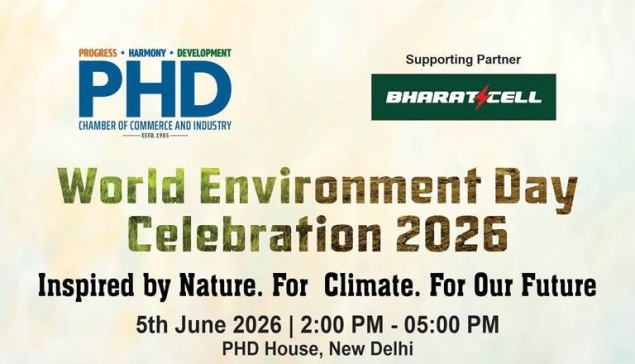
On the occasion of World Environment Day, we are pleased to inform you that the Environment & Climate Change Committee of PHDCCI is organizing a special program to promote environmental stewardship, sustainable development, and collective climate action.
The global theme for World Environment Day 2026 is " Inspired by Nature. For Climate. For Our Future ", highlighting the urgent need for governments, industries, institutions, and communities to accelerate efforts toward a climate-resilient and sustainable future. The campaign emphasizes responding to the clear signals of climate change through innovation, collaboration, and responsible environmental practices.
In line with this theme, the event scheduled for 5th June 2026 will feature activities such as tree plantation drives, environmental awareness sessions, expert discussions on climate action and sustainable development.

Follow Us

Subscribe Our Newsletter
Amazing Deals, Updates & Freebies In Your Inbox
Please fill the required field.

People's Poll

War on Trade: India's RMG in Peril

People's Poll -2

How sustainability is driving India's textile industry

Social & newsletter

Search