





_large.jpg)



India’s Textile Sector: Advancing Towards a Circular and Resource-Efficient Future
The Indian textile and apparel industry has long been a cornerstone of the nation’s economy, contributing significantly to employment, exports, and industrial growth. As global sustainability expectations continue to rise, the sector stands at a critical juncture where the transition towards a circular and resource-efficient textile ecosystem is no longer optional—it is essential.
Achieving sustainability in textiles requires a fundamental shift from the traditional linear model of “produce, use, and dispose” to a circular framework that emphasizes resource optimization, recycling, reuse, and responsible consumption. Such a transformation will not only reduce environmental impact but also strengthen the long-term competitiveness of Indian textiles in global markets.
MUCH MORE
Collaboration will be the key enabler of this transition. Industry leaders, policymakers, technology providers, brands, manufacturers, academia, and consumers must work together to build an integrated ecosystem that promotes innovation, sustainable production practices, and efficient resource utilization across the value chain.
India has already demonstrated positive intent through various policy initiatives, sustainability frameworks, and industry-led programs aimed at improving environmental performance and promoting responsible manufacturing. These efforts are sending a strong signal that sustainability is becoming an integral part of the sector’s growth strategy rather than merely a compliance requirement.
SUSTAINABILITY
As the global fashion industry increasingly embraces circularity, traceability, and responsible sourcing, India has a unique opportunity to position itself as a preferred destination for sustainable textile manufacturing. By fostering innovation, encouraging stakeholder partnerships, and embedding circular economy principles into business operations, the country can create a resilient textile sector that delivers economic prosperity while safeguarding environmental and social interests.
The journey towards circularity is complex, but with collective action and a shared vision, Indian textiles can emerge as a global leader in sustainable and responsible production.
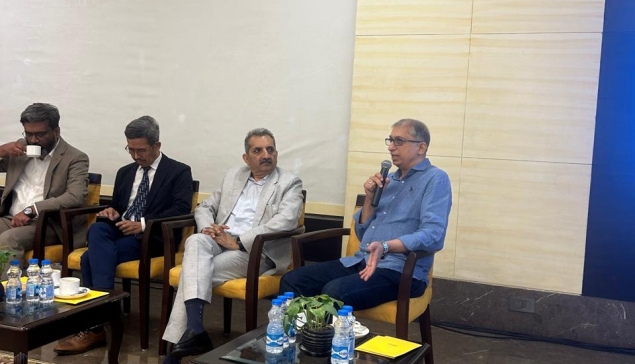
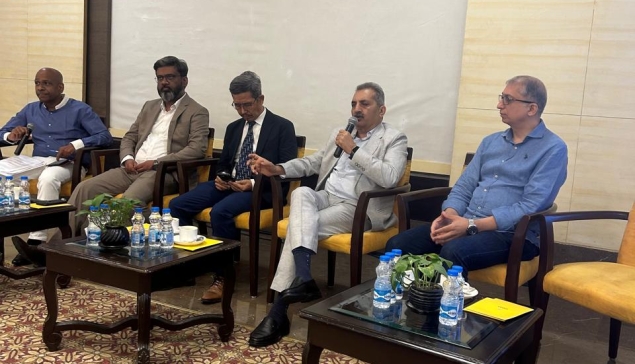
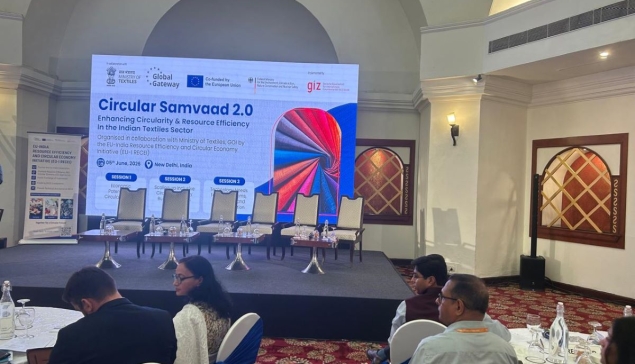
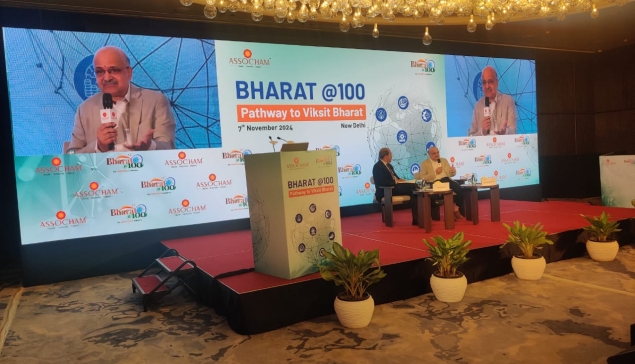
Credits: Sourced out of Circular Samvaad 2.0 conference organised on World environment day in New Delhi today.


 CONTACT US
