

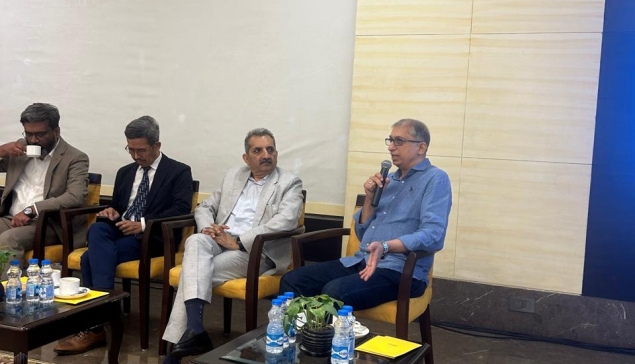





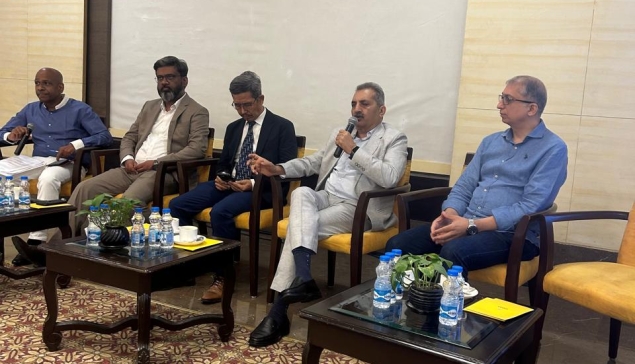

_large.jpg)



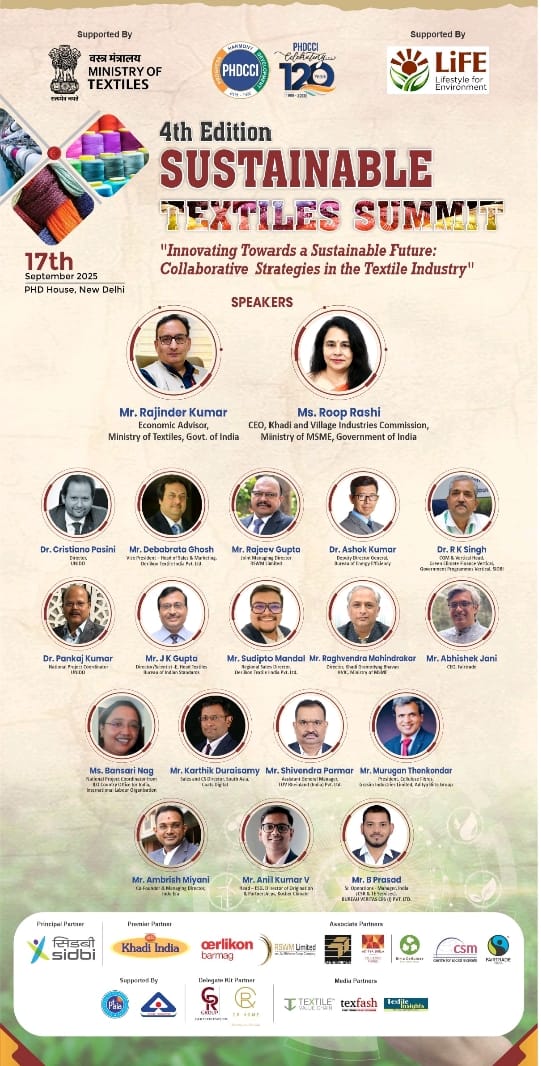
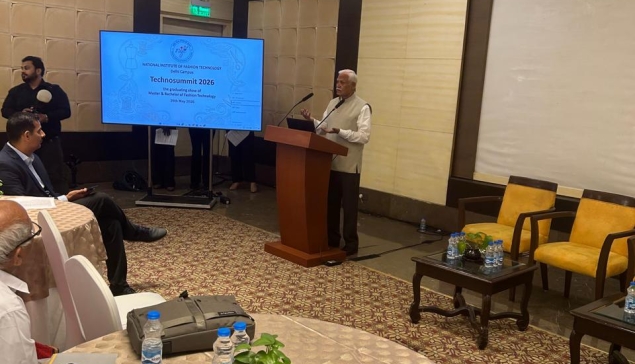
Address by Anil Kumar Director Origination & Partnerships, Kosher Climate.
4th Edition Sustainable Textiles Summit 2025 | September 17, 2025
Compiled by: Salil Chawla, Director, DFU Publications.
Before diving into the integration of carbon markets and sustainability standards, I want to express my gratitude to Rakesh Ji and PHDCCI for inviting me to this session.
Our organization operates across compliance and voluntary carbon markets while working closely with global sustainability frameworks.
With a presence in over 10 countries, we collaborate with governments, NGOs, and local communities across four key areas: carbon recovery, nature-based solutions, pollution control, and industrial decarbonization.
As industries embrace life cycle assessments (LCA) to measure carbon footprints—from raw materials to disposal—India’s carbon market, launched in 2023, has set emission targets for hard-to-abate sectors like textiles.
Under compliance and voluntary mechanisms, companies meeting or exceeding reduction targets can trade or bank carbon credits, creating both financial incentives and sustainability benefits.
This approach enables industries to align decarbonization efforts with economic opportunities, ensuring long-term climate resilience.


 CONTACT US
