




_large.jpg)


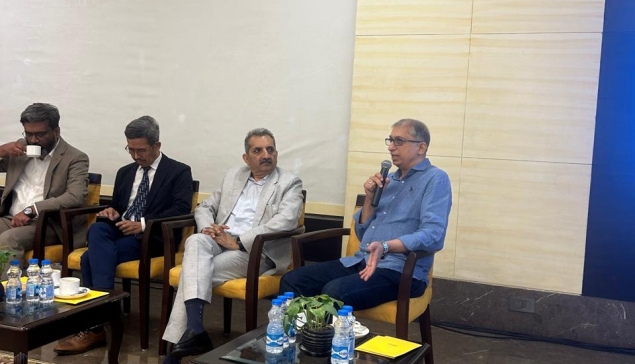
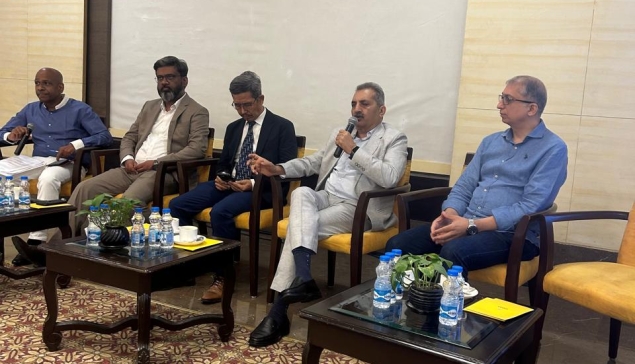
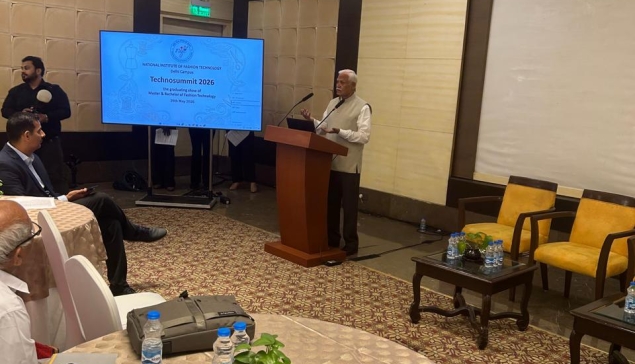
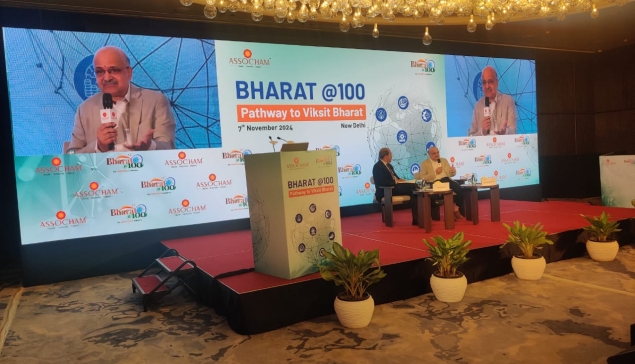
Anuj George – Chief Business Officer, Solvei8, shared his insights on the textile industry’s sustainability quotient as one of the panelists referenced yesterday at Technosummit 2026.
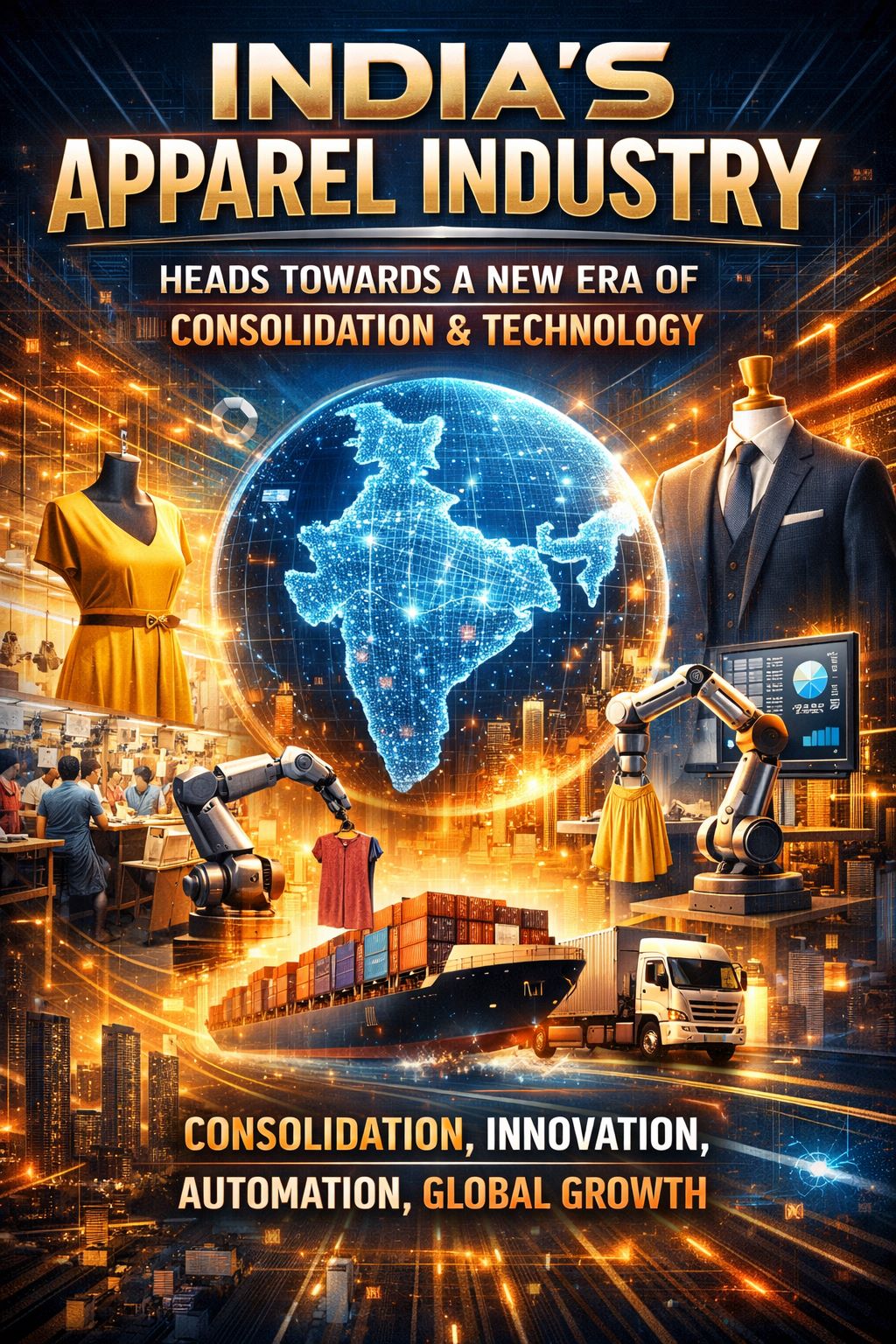
Speaking on the future of factory-floor automation and technology adoption in the apparel industry, the speaker highlighted the contrasting realities between India and competing manufacturing nations such as Bangladesh and China. He noted that while India possesses enormous scale and diversity, the structure of its apparel manufacturing ecosystem is far more fragmented compared to countries where factory sizes and operational models are relatively uniform.
According to him, India’s strength lies in its vast manufacturing base and entrepreneurial energy. However, the challenge is that only a limited segment of the industry — primarily the top apparel manufacturers and exporters — is currently able to invest aggressively in advanced factory-floor technologies, automation, validation systems, and digital transformation initiatives. The majority of small and medium manufacturers are still struggling with survival and cost pressures, making large-scale technological investments difficult at this stage.
He observed that for many smaller exporters, the immediate concern is sustaining operations in an increasingly competitive global market. Yet, he cautioned that companies unable to invest in technology and modernization today may gradually lose competitiveness in the future. This, he believes, will inevitably lead to a phase of consolidation within the Indian apparel sector over the next few years, where stronger and larger players will continue to expand while smaller units may either merge, consolidate, or eventually exit the market.
The discussion also touched upon the uncertainty surrounding global leadership in factory-floor innovation over the next five years. While nations such as Bangladesh, China, Vietnam, and India are all progressing in different ways, each market faces its own unique operational and economic challenges. The speaker emphasized that the race toward technological leadership remains open-ended, with no single country currently dominating the future roadmap entirely.
Concluding his remarks, he stressed that adaptability, investment in technology, and long-term vision will determine which manufacturers emerge stronger in the coming decade. He also appreciated the earlier observations made during the discussion regarding the importance of survivability and sustainability for apparel manufacturers navigating this rapidly evolving industrial landscape.


 CONTACT US
