We all have that perfect pair of jeans, the fit, the colour, the style that feels made for us. But behind the seams lies a concerning reality: producing a single pair consumes nearly 3,781 litres of water, enough to sustain one person’s drinking needs for approxi- mately five years or keep a shower running for more than seven hours. In a country where 163 million people lack access to safe drinking water, this is more than a statistic; it’s a serious point for reflection.
India’s textile industry contributes 2.3% to GDP and employs over 45 million people, yet it remains one of the largest consumers and polluters of water. Wet processing units, where fabrics are dyed, printed, and finished, are particularly resource- intensive. In hubs like Tirupur and Faridabad, groundwater depletion and contamination have reached serious levels.
For the textile industry, this indicates a need for transformative technologies that can change production practices.
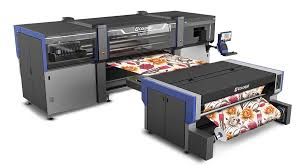
Digital printing offers one of the viable solutions. Unlike traditional rotary or screen methods, it requires minimal pre- and post-treatment, especially with pigment inks that avoid extensive steaming and washing. Epson’s Monna Lisa ML-13000 digital textile printer can reduce water use by up to 97% compared to conventional textile printing.
Beyond sustainability, digital printing also enables on-demand production, contributing to a reduction in over-stocking and waste. Compact systems placed close to consumption centres shorten supply chains and deliver fashion in only the required quantities.
Epson’s digital textile printers are at the forefront of a move towards more efficient, sustainable textile printing.
Credits: Advertorial Epson Mona LisaML-13000 l Direct-to-Fabric Printer.
The content has not been edited and reviewed by us.


 CONTACT US
