







_large.jpg)



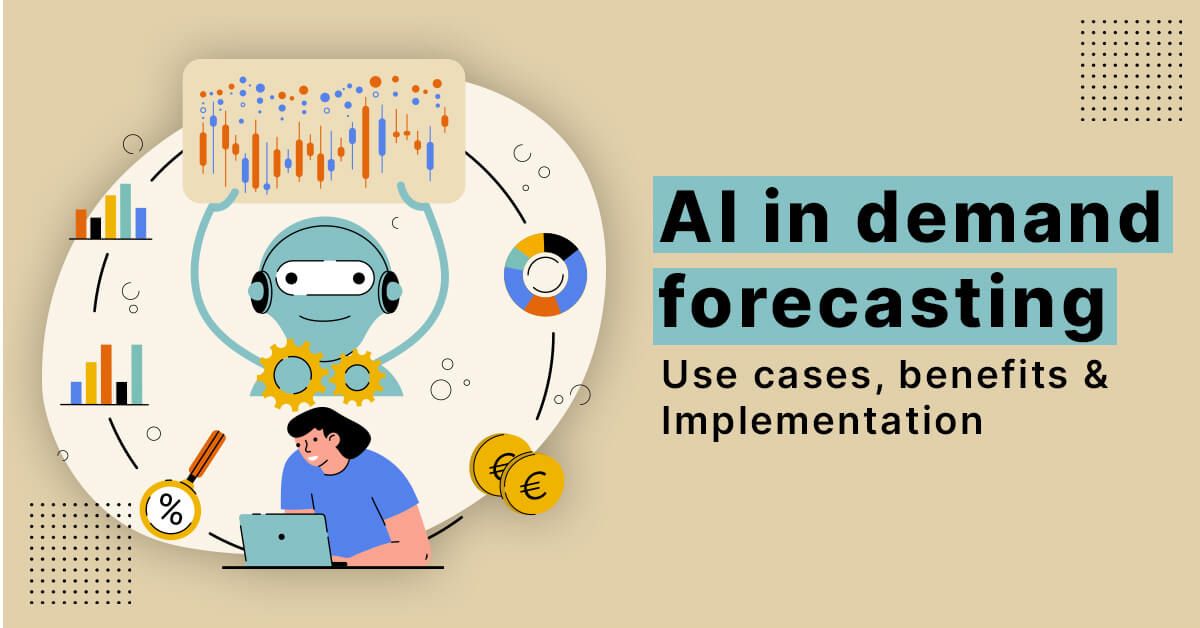
AI Transforms Fashion Demand Forecasting with Smarter Insights
In the past, apparel brands relied on intuition, past season sales, and gut feel to forecast demand. Today, that’s changing dramatically.
AI has stepped in — turning forecasting from reactive guesswork into a data-driven science.
MUCH MORE
Here’s How AI Optimizes :
Predictive Demand Modelling
AI models analyse multi-dimensional data — past sales, weather, trends, influencer activity, and even local festivals — to predict what consumers will want, when, and where.
Example: A fashion retailer can now anticipate a rise in pastel shirt sales in coastal cities 3 weeks before the season begins — and adjust inventory proactively.
Fashion Guru
Real-Time Market Pulse
AI tools track search trends, social chatter, and competitor pricing in real-time.
This means the forecast isn’t static — it’s continuously learning.
When a celebrity is spotted in a certain style, AI instantly recalibrates demand predictions for similar SKUs.
Join our group
Smarter Inventory Allocation
AI-powered forecasting connects with supply chains, suggesting ideal production quantities per SKU and regional stock placements — minimizing overstock and markdown losses.
Brands like Zara and H&M already use predictive analytics to reduce unsold inventory and markdown costs by up to 20–30%.
Style-Level Forecasting
Beyond categories, AI drills down to fabric, fit, color, and silhouette preferences — making it possible to forecast not just “shirts,” but “linen relaxed-fit beige shirts.”
This hyper-personalization leads to higher full-price sell-through and reduced wastage.
PORTFOLIO
Dynamic Pricing & Promotions
AI doesn’t just forecast sales — it optimizes when to discount, how much, and where.
Machine learning can suggest ideal promotion windows to balance demand stimulation and margin protection.
LATEST FASHION NEWS
Improved Collaboration Between Teams
Forecasting used to be a siloed function.
Now, AI dashboards enable design, merchandising, production, and retail teams to work off the same real-time data — aligning creativity with commercial logic.
The Business Impact :
Forecast accuracy improved by 40–60% in AI-driven systems
Inventory costs reduced by 20–30%
Revenue uplift of 10–15% through reduced stockouts and better assortments
Time to market cut by weeks, enabling fast response to trend shifts.
Read our latest issue
The Future: Autonomous Forecasting
In the next 3–5 years, expect AI + Generative Forecasting Engines that:
Simulate multiple “what-if” scenarios before buying seasons
Auto-generate order recommendations for each market
Merge POS, trend data, and sustainability metrics for holistic decisions
Forecasting will move from “reporting” to “decision-making.”
CREDITS: The authored article has been contributed by Sunil Arora-Technology & Growth Advisor to Global Apparel & Fashion industry of repute.and has not been edited and reviewed by us.


 CONTACT US
