








_large.jpg)


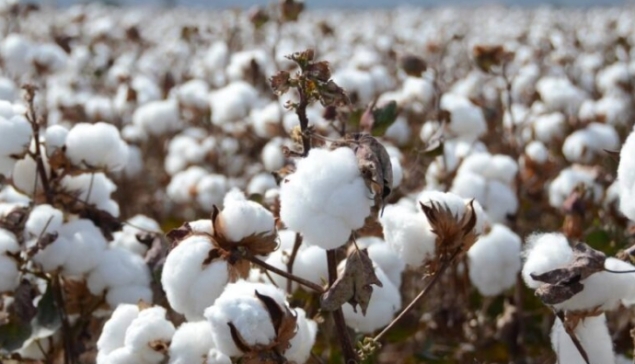
The Northern India Textile Mills Association (NITMA) has lauded the Government of India’s decisive move to exempt import duties on all varieties of cotton (HSN 5201), effective from August 19 to September 30, 2025, as notified by the Ministry of Finance (Notification No. 35/2025-Customs dated 18.08.2025). The exemption covers 5% customs duty, 5% Agriculture Infrastructure and Development Cess (AIDC), and 1% additional cess, offering much-needed relief to the textile industry.
Munish Avasthi, Senior Vice President of NITMA, extended sincere appreciation to the Hon’ble Prime Minister Shri Narendra Modi for his dynamic & visionary leadership, and to the Hon’ble Ministers Giriraj Singh and Smt. Nirmala Sitharaman for swiftly addressing the textile industry’s pressing concerns.
He emphasized that this measure is a critical enabler in achieving India’s USD 100 billion textile export target, especially as the sector grapples with high raw material costs and a widening gap between domestic and global cotton prices.
“The removal of import duty on cotton is a strategic intervention that will stabilize the supply chain and support the entire cotton value chain during a period of acute raw material stress,” said Avasthi. However, he also flagged a concern regarding the limited duration of the exemption, noting that cotton shipments from key sourcing countries such as the USA & Brazil, generally require 70 -75 days, potentially limiting the benefit for importers.
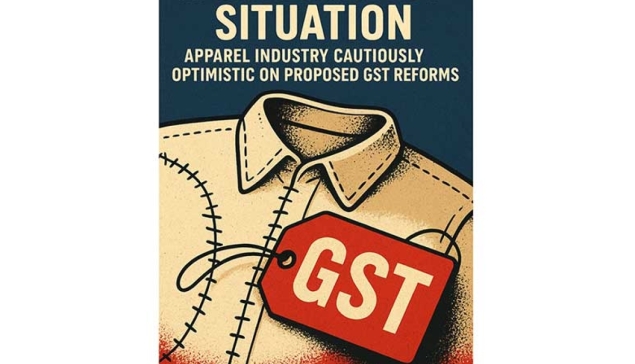
MMF Sector: Call for Urgent GST Reform
On the man-made fiber (MMF) front, Mr. Sidharth Khanna, President of NITMA, highlighted the long-standing issue of Inverted Duty Structure (IDS) under GST, which continues to hinder growth and investment across the MMF textile value chain.
While commending the government’s proactive stance on cotton, Khanna urged the Ministries of Finance and Textiles to extend similar support to MMF by:
Adopting a uniform 5% GST rate across the MMF value chain, in line with the cotton value chain by reducing GST on MMF yarn from 12% to 5%, and on inputs like PTA, MEG, and man-made fibers from 18% to 5%.
Khanna emphasized that correcting this anomaly would:
Ease working capital constraints, especially for MSMEs, by reducing reliance on complex refund mechanisms and improving liquidity.
Address cost disparities, as imported synthetic yarn—subject to just 5% duty or nil under FTAs—remains more economical than domestic yarn, which accumulates taxes.
Encourage investment, by resolving the non-adjustment of 18% GST on machinery due to IDS.
Boost global and domestic competitiveness, without impacting government revenue, since fabrics are already taxed at 5%.
NITMA reiterates its commitment to working collaboratively with policymakers to ensure a robust, resilient, and globally competitive textile sector.
CREDITS: NITMA press release unedited by us.


 CONTACT US
