






_large.jpg)


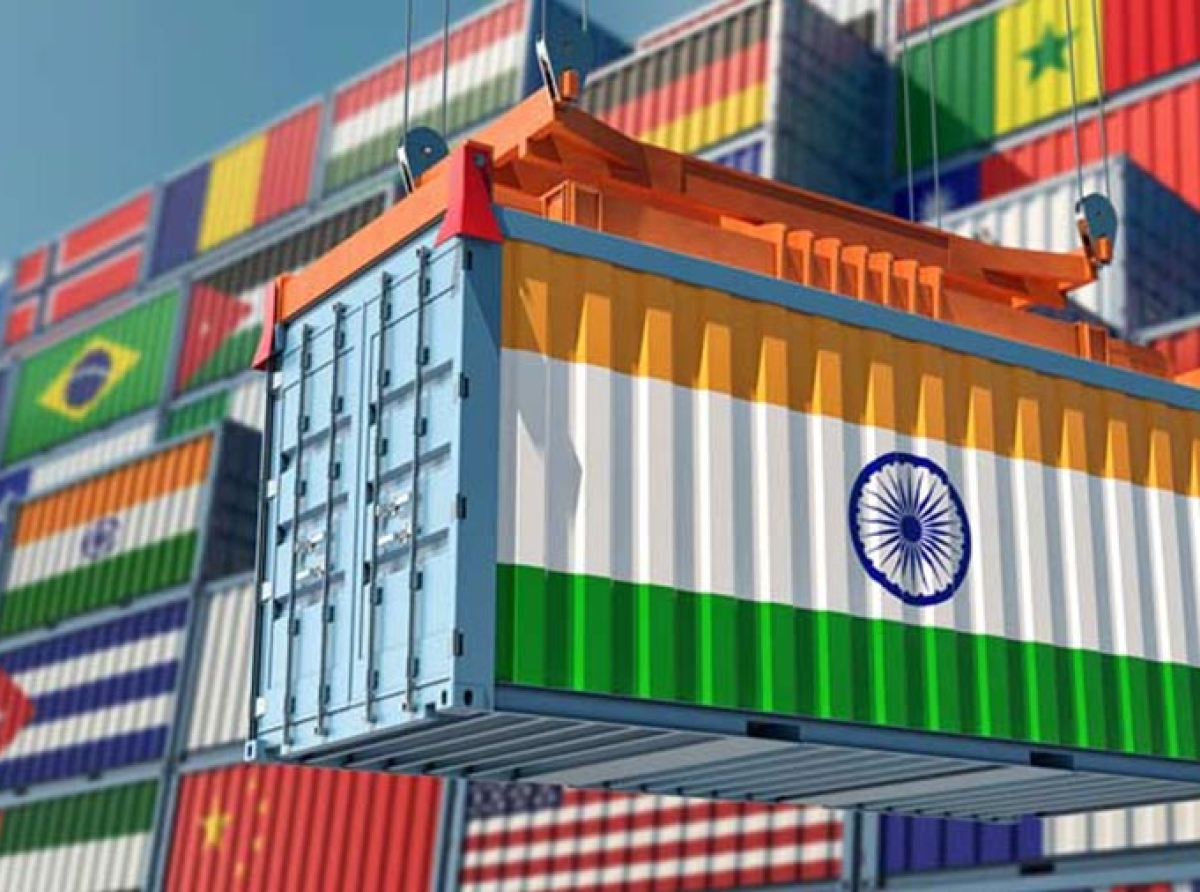
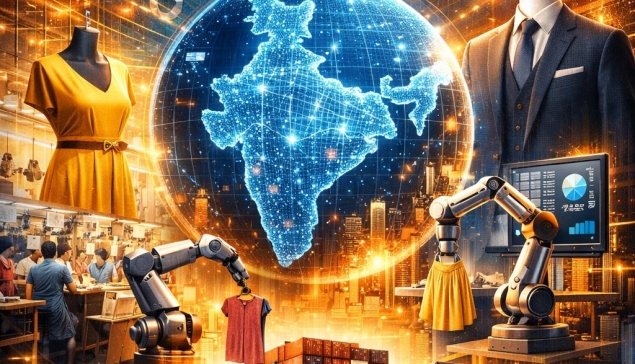
India's clothing exports witnessed a healthy 13% increase in May in comparison to last year, registering a sanguine trend of robust double-digit growth trajectory.
This persistent growth/rise, reflected by the Confederation of Indian Textile Industry (CITI), is broadly on account of Western purchasers (the biggest consumer of textiles globally) increasingly looking to India as a credible alternative/preferred destination to other erstwhile sourcing hubs like China and Bangladesh.
Again, the shifting trend is visibly partly spurred by political instability/upheaval in Bangladesh, more particularly after the advent of an interim government following its leadership change/Sheikh Hasina regime last August.
As proverbially it is said, "Someone's loss is someone's gain." This has particularly helped India improve on its apparel share of the global apparel market, with export growth racing to 17.3% in September and an impressive 24.35% in October 2024.
The experts back home are making a case for Businesses in the sector highlight that buyers prioritize dependable supply chains, making India an attractive option. While Bangladesh currently has greater manufacturing capacity, Indian suppliers are expanding their operations and obtaining crucial certifications to meet demand. Furthermore, the tariffs imposed during the Trump administration have given India a tariff advantage over China, a factor exporters believe will help sustain the current growth trajectory.
The apparel industry is now recovering after a period of post-pandemic overstocking. Sanjay K. Jain, chairman of the National Textile Committee (NTC), sees considerable opportunity in the $120 billion U.S. market, where India's current share is $10 billion.
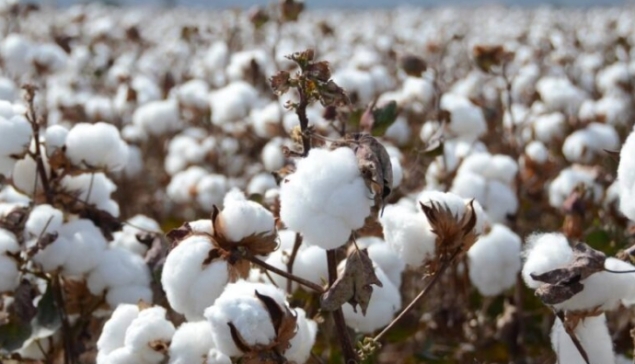
Despite this positive outlook, rising domestic cotton prices are leading to an increase in raw cotton imports. The Cotton Association of India (CAI) projects these imports to more than double in 2024–25, reaching 3.3 million bales.



 CONTACT US
