





_large.jpg)


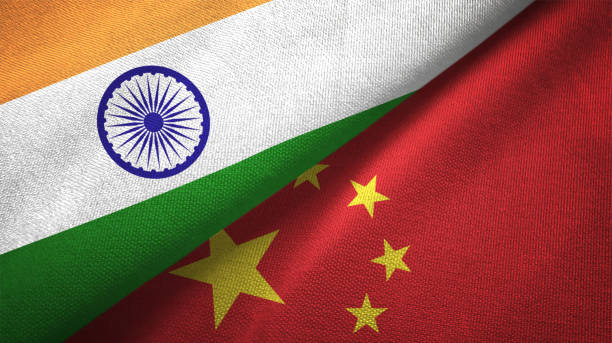
The high-level meetings between PM Modi and President Xi Jinping don't directly focus on India's textile sector, but their outcomes could have a significant indirect impact on the industry.
The primary goal of these talks is to stabilize the broader India-China relationship strained by border disputes and trade imbalances. A more harmonious diplomatic environment can create a more predictable and open trade landscape.
Potential Positive Impacts
Improved Raw Material Supply: The Indian textile industry relies on China for certain raw materials, especially man-made fibers and textile machinery.
Easing diplomatic tensions and trade restrictions could ensure a stable and affordable supply of these critical inputs, which in turn reduces production costs and boosts competitiveness.
Market Diversification: Facing new tariffs from countries like the US, India is actively seeking to diversify its export markets. While a direct increase in finished textile exports to China is unlikely due to fierce competition, a better relationship could facilitate a smoother flow of goods, including raw cotton, and potentially open new channels for high-value or niche products.
Facilitating Business: A reset in relations could lead to the resumption of direct flights and easier visa processes, which would facilitate business-to-business interactions, trade fairs, and the exploration of new commercial opportunities for textile industry players.
Challenges and Negative Implications
Intense Competition: China is the world's largest textile producer and exporter, and its industry benefits from massive economies of scale and advanced technology. This makes it a direct and formidable competitor to India. Increased trade could lead to a flood of low-cost Chinese textiles, particularly man-made fibers and finished garments, which could hurt India's domestic textile manufacturers and result in job losses.
Trade Imbalance: India already has a significant trade deficit with China. Any further increase in textile imports without a corresponding rise in Indian exports could worsen this imbalance. While the Modi-Xi talks aim to reduce this deficit, it's a long-term goal and doesn't guarantee a favorable outcome for the textile sector.
Geopolitical Scrutiny: The border disputes remain a core issue. India has placed restrictions on foreign direct investment (FDI) from countries sharing a land border, requiring prior government approval.
While officials have hinted at a potential review of these restrictions, any major Chinese investment in India's textile sector would likely face close scrutiny due to security concerns.
CREDITS: This automated information was compiled from publicly available sources on the internet and has not been edited or reviewed by our team.


 CONTACT US
