







_large.jpg)



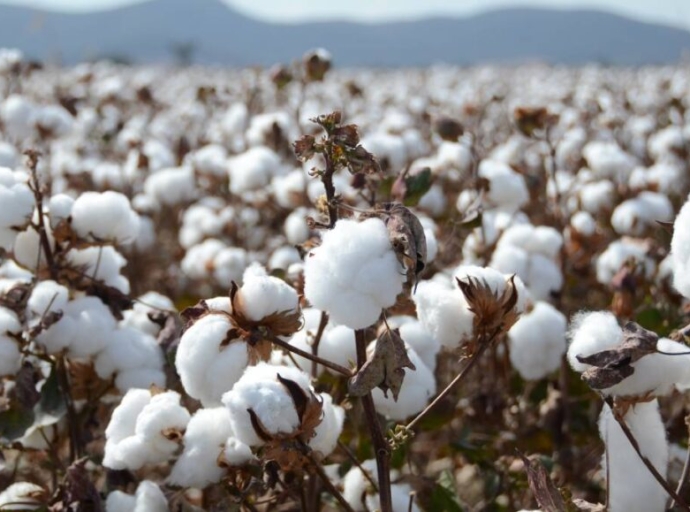
Brazil initiative, led by the Brazilian Cotton Growers Association (Abrapa) in partnership with ApexBrasil and Anea, the country has positioned its cotton industry as a benchmark for responsible and technology-driven production.
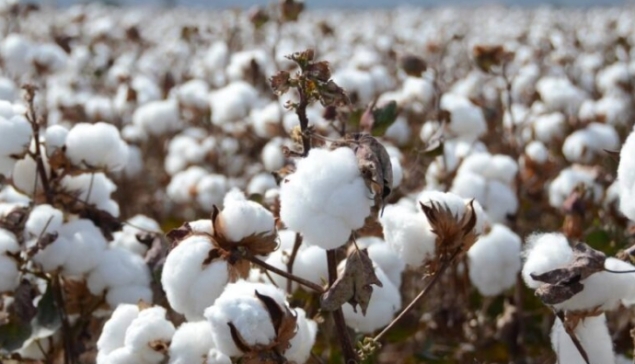
The latest Cotton Brazil Yearbook highlights how the country has rapidly transformed from a cotton importer into the world’s leading cotton exporter. Brazil currently produces nearly 4 million tonnes of cotton lint annually while maintaining high productivity and efficient dryland farming practices.
A major strength of Brazilian cotton lies in its sustainability framework. The Responsible Brazilian Cotton (ABR) certification programme ensures that cotton farms comply with rigorous environmental, social and economic standards through independent audits. More than 80% of Brazil’s cotton production is now covered under sustainability certification systems aligned with Better Cotton standards.
Traceability has also become a defining feature of Brazilian cotton. Every bale carries a unique identification code, allowing buyers to trace the cotton back to the farm, gin and testing laboratory. The SouABR programme further extends this transparency across the textile value chain, enabling garments to be tracked from farm to fashion.
Brazilian producers are also investing heavily in smart farming, soil conservation, reduced tillage practices and water-efficient cultivation methods. Over 90% of the country’s cotton crop relies primarily on rainfall rather than artificial irrigation, reflecting a strong commitment to environmental stewardship.
As global textile brands increasingly seek reliable and responsibly sourced raw materials, Brazil’s cotton sector is strengthening its presence in international markets through transparency, technology and sustainability-led growth.
Credits: PR received from Cotton Brazil <


 CONTACT US
