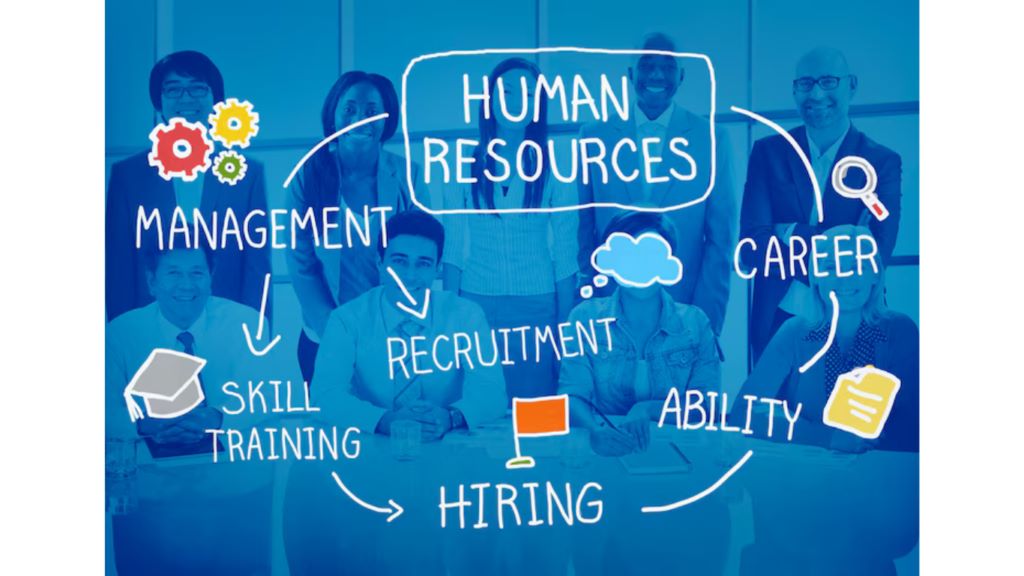
The Greek philosopher Heraclitus said, “The only constant in life is change”, and today this truth defines the world of work. As people, workplaces, and industries evolve rapidly, organizations have entered a new era that is reshaping not just how we work but how we value the people who drive it.
Know More
From Open Markets to Open Minds
Economic liberalization in the 1990s opened India to global competition, bringing new sectors like IT, retail, and e-commerce. Organizations quickly realized their workforce was not future-ready—adaptability, agility, and technological capability became essential, pushing roles far beyond traditional job profiles.
At the same time, employees began seeking more than salaries. Growth, purpose, culture, and well-being became central expectations. With Baby Boomers to Gen Z working together—and more women entering the workforce—diversity, inclusion, and evolving employee needs took center-stage.
Amid this rapid transformation, expectations multiplied and the need for a future-ready workforce became critical. Suddenly, HR was no longer viewed as a transactional function focused on salaries, attendance, or compliance. Instead, HR managers were called to become strategic partners—guiding organizations through change, shaping culture, and driving people-led transformation.
From Administration to Strategy
HR could no longer remain confined to payroll, administration, and compliance. As workplaces transformed, HR had to take a full 360° shift from the old perception of being merely Personnel & IR managers to becoming People, Culture, and Strategy leaders. Organizations began to recognize that their greatest strength and risk lay in their people.
Businesses realized that sustainable success depends on talent, not just operations.
Leaders understood that profitability and people cannot be separated.
HR evolved into advisors, culture architects, capability builders, and workforce strategists who could sense and respond to emerging needs.
This shift is reinforced by global data on Human Capital Trends. Over 80% of CEOs now view people strategy as important as business strategy, and 73% expect HR leaders to directly influence business outcomes. Modern HR terminology reflects this transition from Human Resources to Human Experience (HX), from employee management to talent ecosystems, and from policies to employee experience and human sustainability.
The Rise of the Strategic HR Partner
CURRENT & CHANGING
With digital disruption and rapid innovation everywhere, HR also had to evolve fast.
Credits: This article is contributed by Shubha Nivedita Minz, Chief People Officer l Matrix Design & Industries Pvt Ltd taken from OGTC newsletter Vol. 44. The content has not been edited and reviewed by us.


 CONTACT US
