The Indian textile and apparel sector (T&C)— long regarded as a resilient backbone of the nation’s export economy was tested— experienced a clear cut downturn in export performance in January 2026.
The plausible explanation is; A cumulative effect of global tariff headwinds, shifting demand patterns in key markets, and durable global supply-chain challenges appears to have impeded shipment growth right at the start of the year.
Tariff Pressure Squeezes Competitiveness: takes winds out of sail
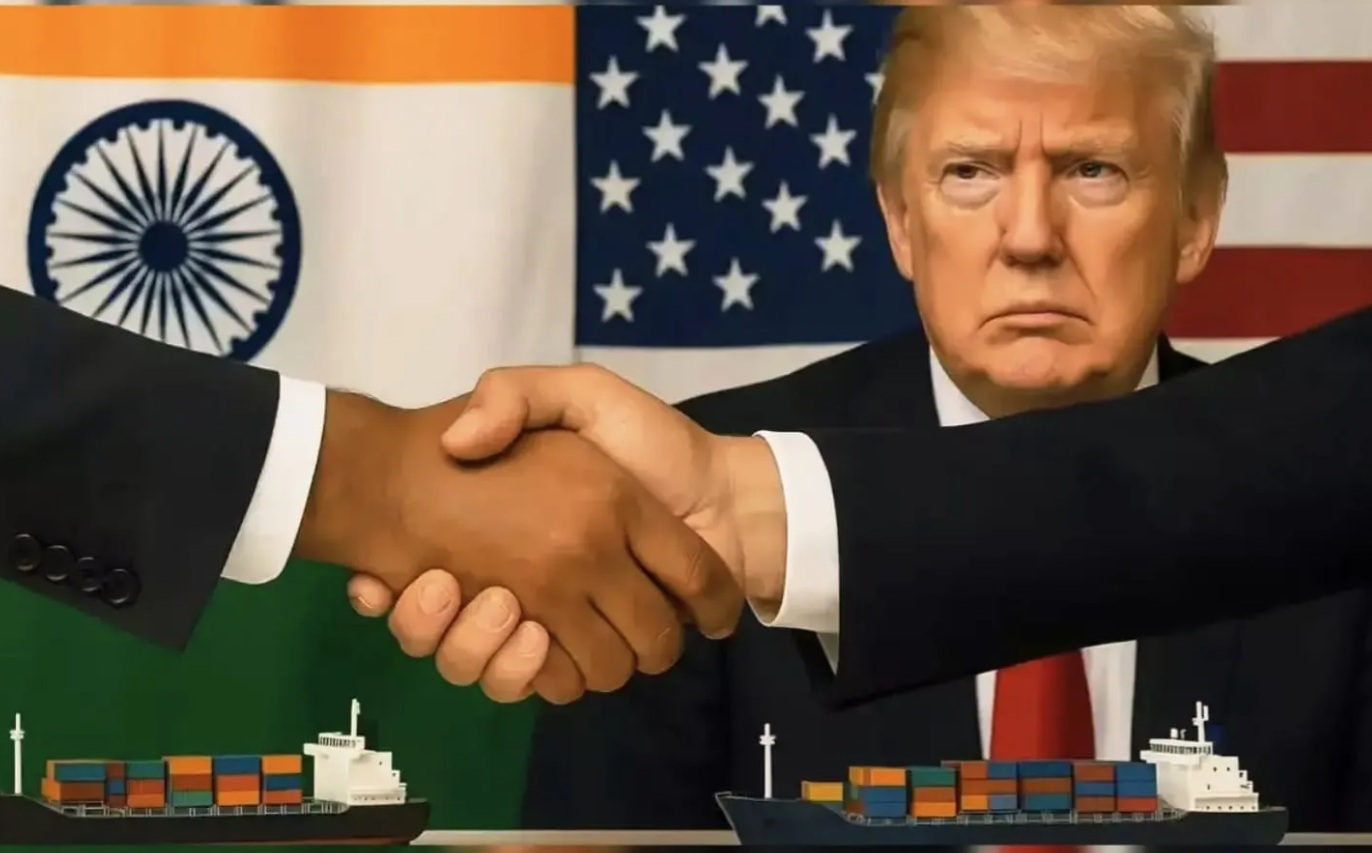
One of the most influential factors behind the decline in export volumes was the emerging tariff pressure from the United States, India’s largest apparel destination. Recent US tariff actions — aimed at protecting domestic producers — have significantly increased duty burdens on several Indian textile categories. This has created a pricing disadvantage for Indian exporters vis-à-vis competitors from Southeast Asia and Turkey for example, impacting competitiveness in key segments such as cotton shirting and value-added knitwear.
History shows; For years, Indian suppliers successfully leveraged competitive pricing and incredible delivery performance to win large contracts in the US market to keep order’s pipeline robust.
Doesn’t bode well for exports
Furthermore, with new tariff differentials eroding pricing advantages, buyers are reassessing sourcing strategies, often shifting orders to countries with lower duty structures to Indian exporters’ dismay.
Secular trends:
Market Volatility and Demand Shifts
A world swayed by high volatility beyond tariffs, global demand patterns have become more volatile fuelling sector’s disruption and distress.
Sustainability is front and centre
It is a big piece; Consumer preferences in major markets are rapidly transitioning toward sustainability-focused and tech-integrated products. While Indian mills and garment units are investing in eco-friendly production, the pace of adaptation varies, leaving parts of the industry exposed to changing buyer priorities as world is in a race to the bottom so to say.
Add fuel to fire
Demand headwind; Durably sticky inflation in Western economies has only softened discretionary spending on non-essential apparel categories. This has domino effect rippled through buying cycles, delaying orders and shortening product life-cycles — a trend that exporters must strategically navigate to weather the perfect storm.
Business case: Structural Challenges and Strategic Response
Indian textile stakeholders are laying a solid argument that structural challenges — including logistics costs, access to timely credit, and infrastructure bottlenecks — have amplified tariff pressures and sector uncertainty/volatility.
Structural challenges such as ‘High freight rates and port congestion, for instance balloon landed costs for exported goods, further impacting price competitiveness to languish merchandise exports in fiercely competitive global markets especially when global economy is posed with multiple headwinds’.
Time is of essence: Scalability
In response, already we have started to see though still in early days and several exporters have accelerated investments in automation/modernisation, quality standardization, and supply-chain digitization and deployment of AI tools as a special use case.
Industry bodies are also lobbying tooth and nail realise a case for policy support/intervention to timely mitigate tariff impact, including enhanced export incentives in a calibrated, focused approach and diplomatic engagement to protect trade access to let not miss the bus this time before the train leaves the station.
Moving Ahead: Diversification drives resilience
Many trade experts see this
Despite January’s declining trend a blip, industry analysts believe that India’s textile and apparel (T&A) export story remains on track backed up by India’s fundamentally strong macroeconomics.
Derisking
Diversification of markets — on the back of emerging FTAs landscape particularly with developed world resultant scalability in Europe, the Middle East, and Africa — can help balance dependency on any single market and potentially make China plus one global policy a viable reality.
There is hope
Further, deepening value addition/global supply chain integration, building climate-aligned product portfolios, and securing long-term contracts with global brands may create durable growth pathways and in turn secured future.
Policy advocacy
What can make a decisive difference; There’s a credible caveat here as experts opine, With strategic policy backing and agile industry responses, India’s textile sector can weather (has shown resilience) short-term export falls and reclaim steadfast expansion in the global marketplace.
Credits: The text is an automated generated piece of information by the Internet. The content has been “edited in parts” by us.


 CONTACT US
