



_large.jpg)

The fashion and textile industry continues to see a steady flow of sustainable material innovations. Yet only a small fraction progress beyond early validation into systems capable of supporting consistent, responsible scale. The challenge is rarely innovation itself, but the sequencing of what comes next.
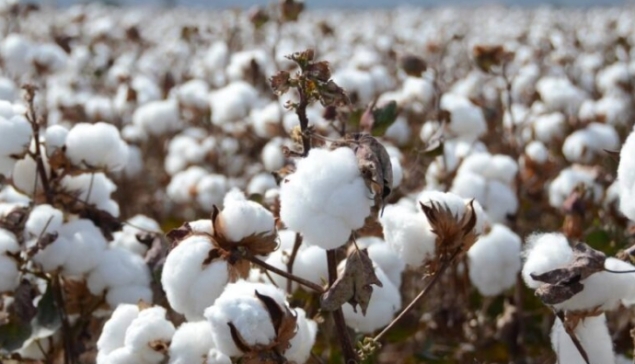
In 2025, the evolution of new natural fibres—such as those derived from underutilised or wild crops—highlighted a critical shift in how material innovation is being approached. Increasingly, success is determined not by novelty, but by compatibility with existing textile infrastructure, early market adoption, and readiness for regulatory and traceability requirements.
Material validation remains the first threshold. Fibres that integrate smoothly with established spinning, weaving, and finishing systems significantly reduce adoption risk for mills and brands. However, validation in controlled environments is no longer sufficient. Designers and brands now function as early stress testers, assessing hand feel, durability, seasonal performance, and aesthetic versatility alongside sustainability claims.
Equally important is the role of sourcing and cultivation models. Pilot cultivation initiatives linked to climate-resilient practices and decentralised livelihoods underscore a broader industry lesson: raw material supply cannot be treated as a downstream concern. Cultivation, community engagement, and environmental context form the backbone of any fibre’s long-term scalability.
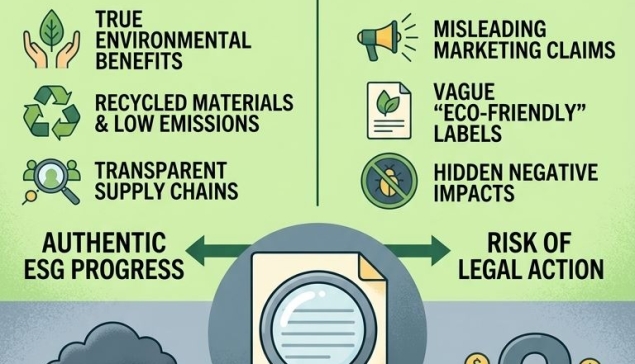
Another defining trend in 2025 was the earlier integration of system enablers such as traceability planning, certification pathways, and governance structures.
With tightening disclosure requirements across key markets, these elements are increasingly prerequisites rather than future add-ons.
Case-led experiences, including that of HimGra, suggest that materials capable of enduring market and regulatory pressures are those developed with deliberate pacing—prioritising credibility, infrastructure, and ecosystem alignment before volume expansion.
For the industry, the implication is clear: sustainable materials scale successfully when system readiness is designed in from the outset, not retrofitted after demand emerges.
CREDITS: The article is contributed by K D Sharma, Director Growth HimGra – Beyond 2025 l DESCATUK. The content has not been edited and reviewed by us.


 CONTACT US
