A Major Boost to Global Competitiveness for Indian Textiles
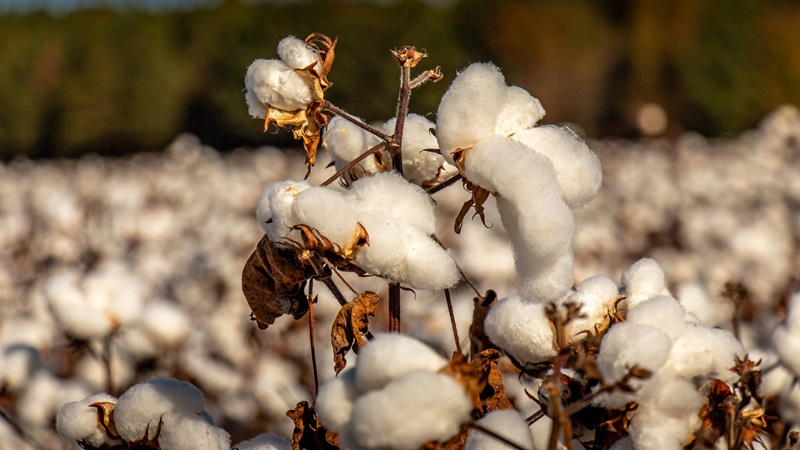
The Northern India Textile Mills Association (NITMA) has enthusiastically welcomed the Government of India’s decisive move to temporarily eliminate the 11% import duty on raw cotton from June 1 to October 31, 2026. This timely policy intervention offers critical margin relief to the MSME-dominated textile and apparel sector during off-season shortages and significantly stabilizes the supply chain against global headwinds.
MUCH MORE
Driving Competitiveness and Export Growth
The temporary waiver addresses a critical cost disadvantage for Indian manufacturers across spinning mills, fabric production, and garment exports.
“Amid ongoing global volatility, the 11% import duty was a major hindrance to our sector’s global competitiveness, especially since our primary Asian peers already enjoy duty-free access to international cotton,” said Shri Sidharth Khanna, President of NITMA. “We extend our sincere gratitude to the Hon’ble Prime Minister, Union Ministers of Finance, Textiles, Commerce, and Agriculture & Farmers Welfare for swiftly delivering this much-needed relief.”
Key Impact Highlights:
Maximizing FTAs: Lower raw material costs empower exporters to fully leverage upcoming trade agreements, including the imminent UK FTA.
Plugging Supply Gaps: Specialized, quality-driven imports bridge domestic cotton deficits for export orders without displacing local produce.
Supporting Farmers: Championing the "Industry Plus Farmer" synergy and "5F" vision, a thriving manufacturing sector secures long-term economic gains for growers.
Driving Export Goals: This intervention counters the recent FY26 export dip, providing the vital momentum needed to reach the $100 billion export target by 2030.
Leadership Perspective
Welcoming the government's swift action, Shri Munish Avasthi, Senior Vice President of NITMA, added:
"The removal of the import duty on cotton is a strategic intervention that will stabilize the supply chain and support the entire value chain during a period of acute raw material stress. It acts as a critical enabler for India's second-biggest employing sector to sustain its major contribution to the national GDP and global exports."
NITMA reiterates its commitment to working collaboratively with policymakers to ensure a robust, resilient, and globally competitive textile sector.
CREDITS: PR received from NITMA official WhatsApp chat. The content has not been edited and reviewed by us.


 CONTACT US
